
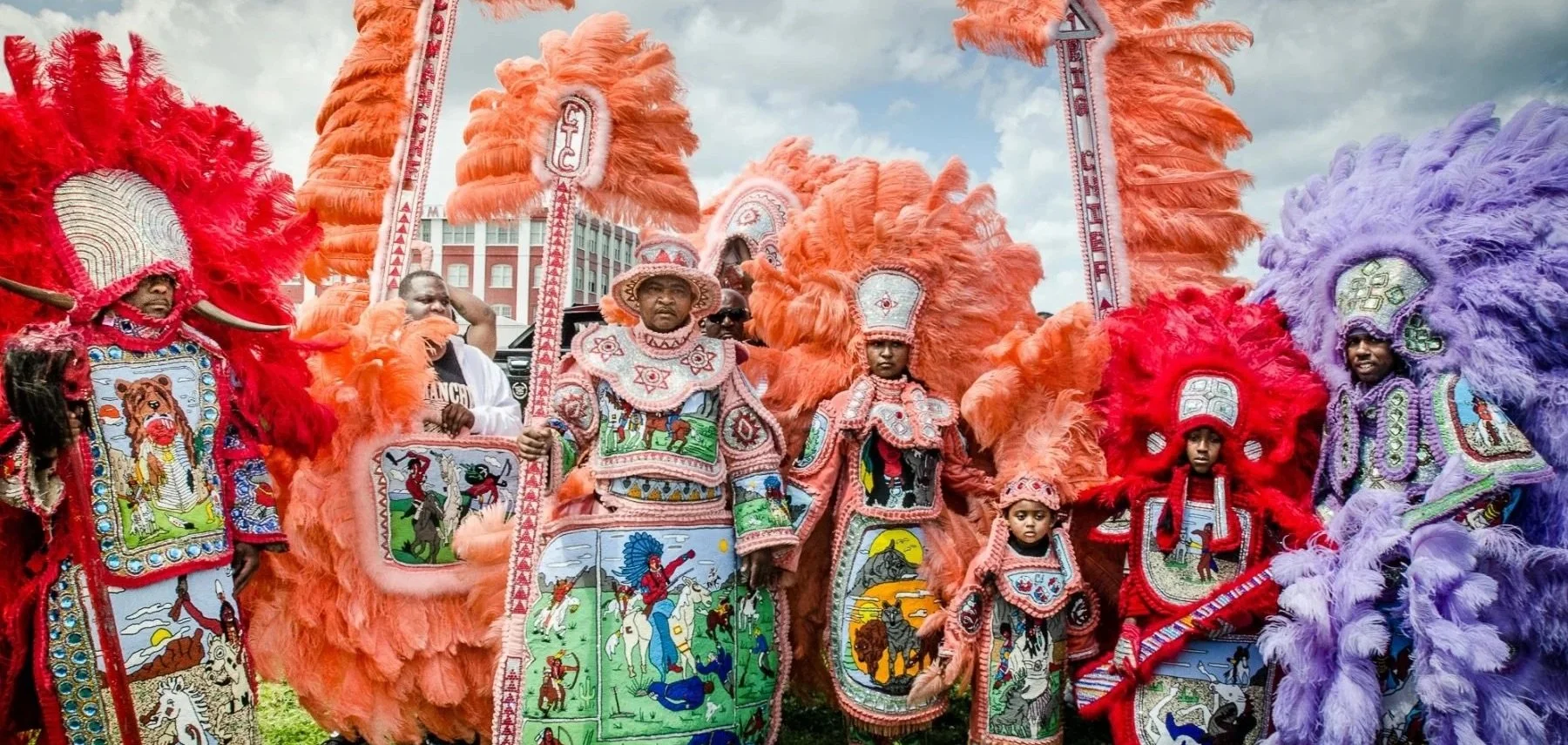
New Orleans Through Music, Art & Culture: A Cultural Travel Guide
Experience New Orleans through the music, art, architecture, and cultural traditions that give the city its unmistakable identity. From intimate performances and creative communities to the stories woven into its historic neighborhoods, this guide explores meaningful ways to experience New Orleans beyond the typical itinerary.
In This Guide
Quick Answer
Why This Matters
New Orleans' Music, Art & Cultural Scene
Experiencing New Orleans Through Music
Exploring Art, Architecture & Creative Communities
Choosing a Meaningful Cultural Experience
Planning Your Cultural Journey
FAQs
Related Guides
Quick Answer
New Orleans is best experienced through the people, traditions, and creative communities that continue to shape the city. Its music, visual art, architecture, food, and cultural traditions are not simply part of its history—they remain deeply connected to everyday life.
For travelers who want to look beyond the most familiar landmarks and attractions, meaningful experiences often begin with local context. Listening to live music in an intimate setting, learning about the history of a neighborhood, meeting artists in their creative spaces, or hearing directly from the people preserving and evolving the city's traditions can offer a deeper perspective on New Orleans.
The city's cultural identity has been shaped by generations of African, French, Spanish, Caribbean, Indigenous, and American influences. Those layers can be heard in its music, seen in its architecture, tasted in its food, and felt in the distinct character of its neighborhoods and communities.
Project Por Amor creates small-group cultural experiences designed around connection and exchange. By working with local partners and cultural communities, our journeys invite travelers to experience New Orleans through the people and stories that give the city its enduring creative spirit.
This guide explores how to experience New Orleans through music, art, history, and culture—and why taking the time to engage with the city beyond a traditional itinerary can lead to a more meaningful journey.
Why This Matters
New Orleans is one of the most recognizable cities in the United States, yet many visitors experience only a small part of what makes it extraordinary.
The French Quarter, jazz clubs, historic architecture, and celebrated food are all essential parts of the city's identity. But New Orleans cannot be fully understood through landmarks or a checklist of famous experiences alone. Its culture is living, layered, and deeply connected to the people and communities who have shaped it across generations.
The city's music carries stories of African and Caribbean traditions, migration, resistance, celebration, and creative exchange. Its architecture reflects centuries of cultural influence and adaptation. Its visual art, food, festivals, and neighborhood traditions continue to evolve while remaining connected to the city's complex history.
For travelers, context changes the experience. A brass band performance becomes more meaningful when you understand the traditions behind the music. A walk through a historic neighborhood can reveal new layers when guided by the people who know its stories. A meal can become an entry point into conversations about heritage, family, and the communities that shaped the city's culinary traditions.
This is why meaningful cultural travel matters. It creates opportunities to move beyond simply observing a place and begin engaging with it through conversation, learning, and shared experience.
At Project Por Amor, we believe the most memorable journeys are rooted in these connections. By working with local partners and cultural communities, we create opportunities for travelers to experience New Orleans through the people who know, preserve, and continue to shape its creative spirit.
New Orleans' Music, Art & Cultural Scene
New Orleans is a city where culture is difficult to separate from everyday life. Music moves through neighborhoods and gathering places. Art reflects history, identity, and imagination. Architecture reveals centuries of adaptation and cultural exchange. Food, festivals, parades, and traditions create rhythms that shape the city throughout the year.
For travelers, the challenge is not finding culture in New Orleans. It is understanding the stories and communities behind it.
A City Shaped by Cultural Exchange
New Orleans has been shaped by the convergence of many peoples and traditions, including African, French, Spanish, Caribbean, Indigenous, and American influences. Over generations, these connections have created a cultural identity unlike anywhere else in the United States.
That history can be heard in the city's music, seen in its architecture, and felt in the traditions that continue to bring communities together. But New Orleans' culture is not frozen in the past. Artists, musicians, chefs, preservationists, and cultural leaders continue to reinterpret longstanding traditions while creating new forms of expression.
Music as a Living Tradition
Music is one of New Orleans' most recognizable cultural contributions, but it is more than a soundtrack for visitors. From jazz and brass bands to funk, R&B, bounce, gospel, and contemporary sounds, music remains deeply connected to the city's communities and traditions.
Experiencing New Orleans through music means looking beyond a single genre or famous venue. It can mean learning how jazz developed, understanding the role of brass bands in community life, or hearing from musicians about the traditions and places that continue to influence their work.
The most meaningful experiences often create space for this context, allowing travelers to understand not only what they are hearing, but why it matters.
Art, Architecture & Creative Expression
New Orleans' visual culture is equally layered.
Artists and creative communities draw inspiration from the city's history, landscapes, neighborhoods, and everyday life. Galleries, studios, public art, and community spaces provide opportunities to encounter a wide range of perspectives, from established traditions to contemporary work.
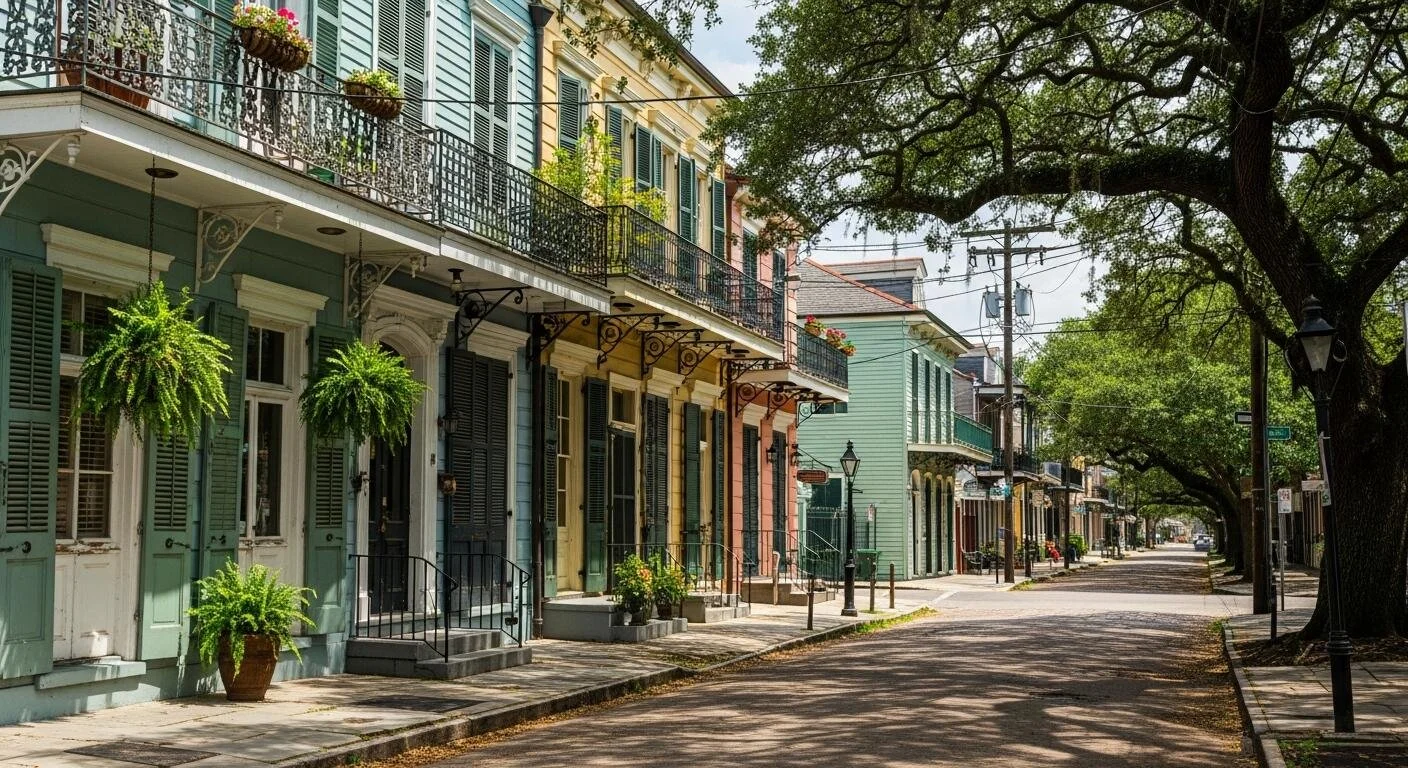
Architecture also tells an important part of the story. The city's homes, courtyards, churches, and historic buildings reflect centuries of cultural influence and adaptation. Preservation is therefore not simply about protecting beautiful structures—it is also about understanding the communities, craftsmanship, and histories connected to them.
Culture Rooted in Community
What makes New Orleans especially compelling is the way culture often remains connected to community.
Many of the city's most important traditions are carried forward through families, neighborhoods, social organizations, musicians, artists, and cultural practitioners. These traditions are sustained through participation and relationships, not simply displayed for visitors.
For travelers, this creates an opportunity to experience New Orleans with greater curiosity and respect. Rather than asking only what to see, consider who you can learn from and what stories can deepen your understanding of the city.
At Project Por Amor, we believe meaningful cultural travel begins with these connections. Our experiences are designed to create opportunities for travelers to engage with the people, communities, and creative traditions that make New Orleans unlike anywhere else.
Project Por Amor Perspective
New Orleans is not a city to simply check off a list. Its most meaningful experiences often happen when you slow down long enough to listen—to the musician explaining the history behind a song, the artist sharing the story behind their work, or the local guide connecting a familiar street to generations of community history.
For us, the goal is not to show travelers the most places. It is to help create the context and connections that allow a place to be understood more deeply. In New Orleans, that means experiencing the city through the people and traditions that continue to give it life.
Experiencing New Orleans Through Music
Music is one of the most powerful ways to understand New Orleans, but experiencing it meaningfully requires more than simply finding a place to hear a band.
The city's musical traditions are deeply connected to its history, communities, and everyday life. From jazz and brass bands to gospel, funk, R&B, bounce, and contemporary sounds, music carries stories of cultural exchange, celebration, resilience, and identity.
Look Beyond the Most Familiar Sounds
Jazz may be the genre most closely associated with New Orleans, but it is only one part of the city's musical landscape.
Brass band traditions remain an important part of community celebrations and parades. Gospel music reflects deep spiritual and cultural traditions. Funk and R&B have shaped generations of musicians, while bounce and other contemporary styles continue to evolve from the city's distinctive creative energy.
Exploring this range offers a fuller understanding of New Orleans and helps travelers move beyond the idea that the city's music belongs only to its past.
Learn the Stories Behind the Sound
A live performance can be unforgettable on its own, but context often makes the experience more meaningful.
Learning about the neighborhoods, musicians, and communities connected to a particular tradition can change the way you hear the music. Understanding the role of brass bands in second lines, for example, reveals how music can function as a form of celebration, remembrance, and community connection.
Conversations with musicians and local cultural experts can also provide insight into how traditions are carried forward and how today's artists continue to build on the sounds of previous generations.
Experience Music in Different Settings
New Orleans music is not limited to formal concert halls or famous clubs.
Some of the city's most meaningful musical experiences happen in smaller venues, neighborhood spaces, cultural gatherings, and community events. Each setting offers a different perspective on how music is created, shared, and experienced.
For travelers, variety can be valuable. An intimate performance may offer an opportunity to hear directly from a musician, while a larger community gathering can reveal the collective energy that makes music such an essential part of life in New Orleans.
Listen With Curiosity
There is no single right way to experience New Orleans music.
Follow your interests, but remain open to unfamiliar sounds and traditions. Ask questions about what you are hearing. Learn about the musicians on stage. Pay attention to how different genres and generations influence one another.
The most meaningful experiences often begin with curiosity rather than expertise.
At Project Por Amor, we believe music can open the door to deeper cultural understanding. Our journeys create opportunities to experience performances while also connecting with the people and stories behind the sound—creating space for conversations and shared experiences that make the music resonate long after the performance ends.
Exploring Art, Architecture & Creative Communities
New Orleans' creative identity extends far beyond its music. Across the city, visual artists, architects, preservationists, designers, and cultural organizations contribute to a landscape shaped by history, imagination, and a strong sense of place.
For travelers, exploring these creative communities offers another way to understand how New Orleans remembers its past while continuing to evolve.
See the City Through Its Architecture
Architecture is one of the most visible ways New Orleans tells its story.
From Creole cottages and shotgun houses to ornate ironwork, courtyards, churches, and grand historic buildings, the city's built environment reflects generations of cultural influence and adaptation. But architecture is more than a collection of beautiful structures. Each neighborhood carries stories about the people who built, lived in, preserved, and transformed these spaces.
Exploring architecture with context can reveal a deeper understanding of the city. A familiar building may reflect changing ideas about design, climate, class, or community. A neighborhood can offer insight into how generations of residents shaped the spaces around them.
For travelers, this creates an opportunity to look beyond the photograph and consider the history and human stories behind what they see.
Meet the Artists Shaping New Orleans Today
New Orleans' contemporary art scene is as diverse as the city itself.
Painters, photographers, sculptors, muralists, and multidisciplinary artists continue to explore themes of identity, memory, place, resilience, and everyday life. Their work often reflects personal experiences while engaging with broader conversations about the city and its future.
Studio visits and conversations with artists can offer an especially meaningful perspective. Meeting an artist in their creative space provides an opportunity to hear directly about their process, influences, and relationship to New Orleans.
These encounters can transform art from something simply viewed into a starting point for conversation.
Discover the City's Creative Communities
Creativity in New Orleans often grows through community.
Neighborhood organizations, galleries, artist collectives, preservation groups, and cultural spaces provide opportunities for artists and communities to share stories, collaborate, and carry traditions forward. These spaces may host exhibitions, workshops, performances, and conversations that connect different generations and perspectives.
For visitors, spending time in these environments can reveal a side of the city that is not always found on a traditional itinerary. A local artist, preservationist, or cultural leader may offer a perspective that brings new meaning to a familiar neighborhood or landmark.
Approach Creativity With Curiosity
You do not need to be an art historian or architecture expert to experience New Orleans' creative culture in a meaningful way.
Ask questions. Listen to the stories behind the work. Notice the details that make one neighborhood feel different from another. Consider how artists and communities use creativity to preserve memory, respond to change, and imagine what comes next.
At Project Por Amor, we believe creative expression is one of the most powerful ways to connect with a place. Our cultural experiences create opportunities for travelers to engage with the artists, preservationists, and creative communities who continue to shape New Orleans—allowing the city's art and architecture to become gateways to a deeper understanding of its people and stories.
Choosing a Meaningful Cultural Experience
New Orleans offers an endless number of things to see and do. For travelers interested in music, art, architecture, and culture, the more important question is often not how much can I fit into my trip? but how deeply do I want to engage with the city?
A meaningful cultural experience creates opportunities to move beyond observation and connect with the people, stories, and traditions that give New Orleans its character.
Look for Context, Not Just Access
It is easy to find a concert, tour, gallery, or historic landmark in New Orleans. Understanding the story behind the experience can make it far more meaningful.
Look for opportunities to learn from musicians, artists, historians, preservationists, and other cultural practitioners. A performance becomes richer when you understand the traditions that shaped the music. A walk through a historic neighborhood takes on new meaning when someone connects the architecture to the people and communities who have lived there.
The goal is not simply to gain access to places, but to gain a deeper understanding of what they represent.
Choose Experiences Rooted in Local Relationships
Meaningful cultural experiences are often built on relationships.
When evaluating a cultural program, consider who is guiding the experience and how they are connected to the communities involved. The strongest programs work with local artists, cultural organizations, and community partners as collaborators and experts rather than treating them as part of a tourist attraction.
These relationships can create opportunities for more personal conversations and perspectives that are difficult to find through a standard itinerary.
Slow Down and Leave Room for Connection
New Orleans can easily become overwhelming when every hour is planned.
Rather than rushing between famous landmarks, consider leaving room for longer conversations, an unexpected performance, or time spent getting to know a neighborhood. One meaningful encounter may offer more lasting insight than a day filled with attractions.
A slower pace also allows travelers to follow their curiosity and remain open to experiences that may not have been part of the original plan.
Travel With Curiosity and Respect
A meaningful journey depends on the mindset of the traveler as much as the itinerary itself.
Arrive with questions rather than assumptions. Listen to perspectives that may challenge your understanding of the city. Recognize that New Orleans' cultural traditions belong first to the communities that have created and sustained them.
At Project Por Amor, we believe the most powerful journeys are built around this spirit of exchange. Our small-group cultural experiences are designed to connect travelers with local artists, musicians, preservationists, and cultural communities—creating space for genuine conversation and a deeper appreciation of the city.
Planning Your Cultural Journey
A meaningful trip to New Orleans begins with deciding how you want to experience the city. With so much music, art, architecture, food, and history to explore, it can be tempting to build an itinerary around as many famous places as possible. A more rewarding approach is to begin with what genuinely interests you and leave room for the city to surprise you.
Start With Your Interests
Think about what draws you to New Orleans in the first place. You may be interested in the history of jazz, contemporary visual art, historic preservation, neighborhood culture, or the ways music and architecture reflect the city's complex history.
Starting with your interests can help you create a more intentional journey. Rather than trying to experience everything, choose a few themes that allow you to explore more deeply and connect the places you visit to the people and stories behind them.
Give Neighborhoods Time
New Orleans is a city best experienced at a human pace.
Each neighborhood has its own character, history, and cultural traditions. Instead of moving quickly from one landmark to another, leave time to walk, listen, observe, and notice the details that make each place distinct.
A slower pace also creates opportunities for unexpected discoveries—a gallery you hadn't planned to visit, a conversation with a local artist, or a musical performance recommended by someone you meet along the way.
Plan Around People, Not Just Places
Some of the most memorable experiences in New Orleans come from the people you meet.
When planning your journey, look beyond a list of attractions and consider who you would like to learn from. A musician can offer insight into the traditions behind the music. An artist can share a personal perspective on the city. A preservationist or historian can reveal stories that change the way you see a familiar neighborhood.
These encounters can bring the city to life in ways that a guidebook cannot.
Leave Room for Discovery
Not every meaningful experience can be scheduled in advance.
A conversation may lead you to a performance you had not heard about. A neighborhood walk may introduce you to a creative space or community organization you would have otherwise missed. A shared meal may become an opportunity to hear a new perspective on the city.
Build enough flexibility into your itinerary to follow those moments when they arise.
Travel With an Open Mind
New Orleans is a city with a rich and complex cultural history. The most meaningful experiences often come from approaching that history with curiosity and a willingness to listen.
Be open to perspectives that challenge familiar narratives. Ask questions. Pay attention to the connections between past and present, and between the traditions you encounter and the communities that continue to sustain them.
At Project Por Amor, we believe a thoughtfully planned journey should provide direction without over-scheduling every moment. Our cultural experiences create opportunities for travelers to engage with the musicians, artists, preservationists, and local communities who bring New Orleans to life—leaving room for the conversations and discoveries that can transform a visit into a deeper cultural experience.
FAQs
-
The most meaningful experiences often go beyond famous landmarks and include time with the people and communities who shape the city. Live music, neighborhood exploration, artist conversations, and culturally informed experiences can provide deeper context.
-
No. While jazz is central to New Orleans' musical legacy, the city's sound also includes brass band traditions, gospel, funk, R&B, bounce, and contemporary music. Exploring a range of styles offers a broader understanding of the city's cultural life.
-
Meaningful experiences can often be found in the city's neighborhoods, creative spaces, smaller music venues, galleries, and community-based cultural organizations. Local context and personal recommendations can help travelers discover perspectives beyond a standard itinerary.
-
New Orleans' architecture reflects generations of cultural exchange, adaptation, craftsmanship, and community history. Exploring the built environment with context can reveal stories about the people and traditions that have shaped the city.
-
A cultural journey emphasizes connection, context, and exchange. Rather than simply visiting attractions, travelers have opportunities to engage with musicians, artists, cultural leaders, and local communities to better understand the city through the people who bring it to life.
Related Guides
-
Cuba Arts & Music: A Cultural Travel Guide
-
Baja Beyond the Beach: An Art, Wine & Culture Guide
-

Heritage Travel to Cuba: A Guide to Reconnecting with Your Family's Story