
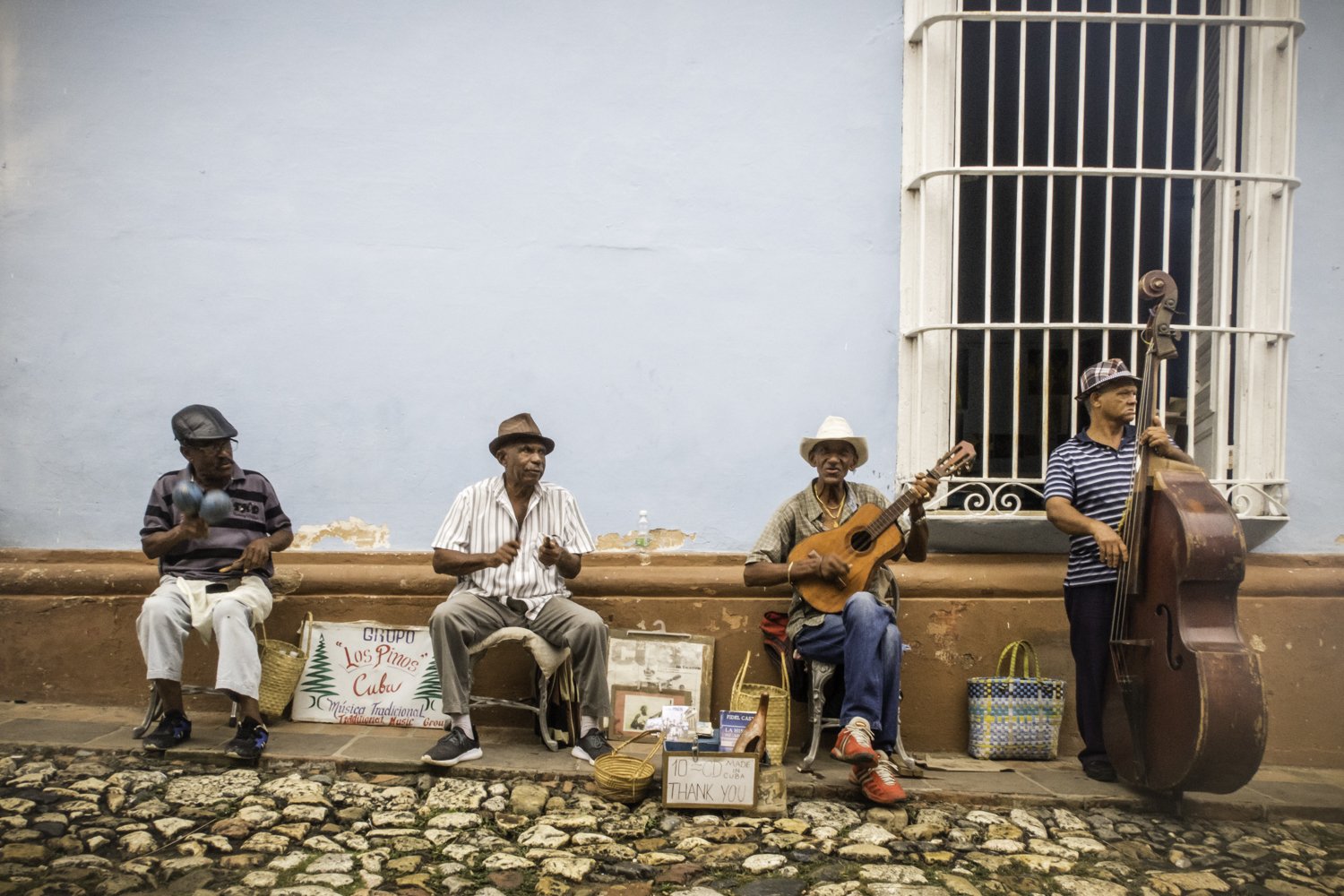
Cuba Arts & Music: A Cultural Travel Guide
Explore Cuba through the music, art, and creative communities that shape its cultural identity. From intimate performances and artist studios to conversations with local creatives, this guide offers a deeper look at how travelers can experience Cuba beyond traditional sightseeing.
In This Guide
Quick Answer
Why This Matters
Cuba's Arts & Music Scene
Experiencing Cuban Culture Through Music
Exploring Cuba's Visual Arts & Creative Communities
Choosing a Meaningful Cultural Experience
Planning Your Cultural Journey
FAQs
Related Guides
Quick Answer
Cuba is one of the world's most vibrant destinations for travelers interested in music, visual arts, and cultural exchange. From the rhythms of son, rumba, jazz, and contemporary music to Havana's galleries, artist studios, theaters, and creative communities, the country's cultural life is deeply woven into everyday experience.
For travelers who want to go beyond traditional sightseeing, Cuba offers opportunities to meet the artists, musicians, and cultural practitioners shaping its creative landscape today. A conversation in an artist's studio, an intimate live performance, or a visit with a local musician can offer a more personal perspective than simply visiting a landmark or attending a large-scale show.
Project Por Amor creates small-group, artist-led cultural journeys designed around these kinds of meaningful connections. Our experiences invite travelers to explore Cuba through its people and creative traditions—making space for conversation, discovery, and cultural exchange along the way.
This guide explores what makes Cuba's arts and music scene so distinctive, the cultural traditions that continue to shape the country today, and how travelers can experience them in a thoughtful and meaningful way.
Why This Matters
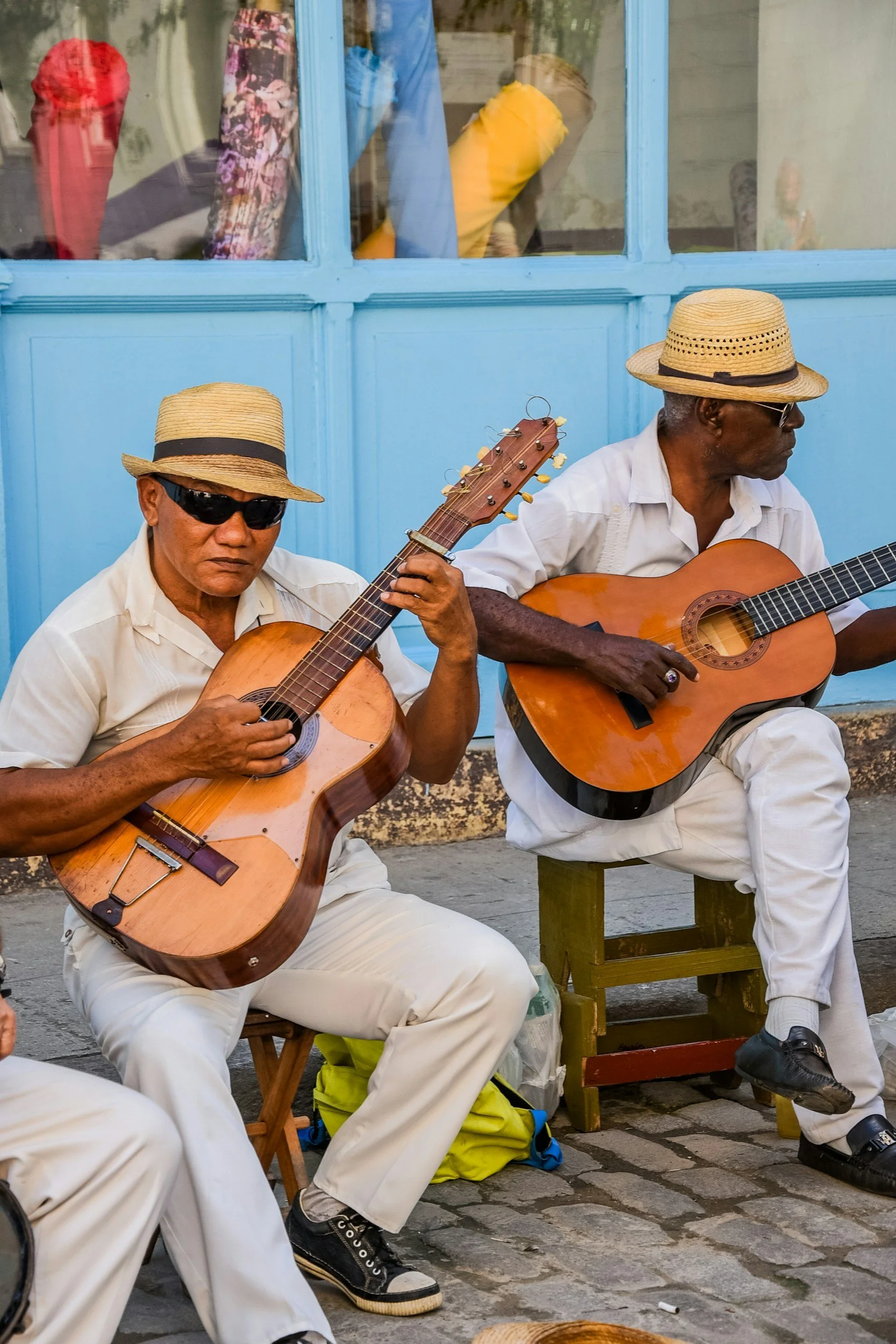
Cuba's music and visual arts are often among the first things travelers associate with the island—and for good reason. From the sounds of son and rumba to contemporary jazz, dance, painting, photography, and street art, creative expression is woven deeply into everyday life.
But Cuba's cultural landscape is far more layered than the postcard images or performances most visitors encounter. Its artistic traditions have been shaped by Indigenous, Spanish, African, Caribbean, and global influences, as well as generations of artists and musicians responding to the country's complex history and evolving identity.
For travelers, this creates an opportunity to experience culture as something living and personal rather than something simply observed. Meeting a painter in their studio, listening to musicians discuss their creative process, or learning about a neighborhood through the people who live and work there can offer a deeper understanding of the stories behind the art.
This is why cultural context matters. Music and art can open the door to conversations about history, identity, community, and the forces that continue to shape contemporary Cuba. The more travelers understand these connections, the more meaningful their experiences can become.
At Project Por Amor, we believe the best cultural journeys are built around people and exchange. By creating opportunities to engage directly with artists, musicians, and creative communities, our experiences invite travelers to move beyond simply seeing Cuba and begin to understand it through the people who continue to shape its cultural life.
Cuba's Arts & Music Scene
Cuba's creative culture cannot be separated neatly into museums, concert halls, or galleries. Music spills into streets and courtyards. Visual art appears in formal exhibitions and private studios. Dance, theater, photography, architecture, and design all contribute to a cultural landscape that is constantly evolving.
For travelers, this means that some of the most meaningful artistic experiences in Cuba may happen in unexpected places: a conversation with a painter, a rehearsal in a neighborhood music space, a small gallery opening, or an evening performance where locals and visitors gather together.
A Musical Legacy That Continues to Evolve
Music is one of Cuba's most influential contributions to global culture. Cuban traditions have helped shape genres and musicians far beyond the island, while contemporary artists continue to reinterpret those traditions in new ways.
Son, rumba, danzón, trova, timba, jazz, and other musical forms each reflect different histories and cultural influences. Together, they tell a larger story of migration, exchange, resilience, and creativity. Today, travelers can encounter both deeply rooted traditions and contemporary sounds that reflect the changing rhythms of Cuban life.
Experiencing music in this context offers more than a memorable night out. Listening to a performance alongside a conversation with the musicians, or learning about the history behind a particular style, can create a deeper connection to the culture and people behind the sound.
A Dynamic Visual Arts Community
Cuba's visual arts scene is equally rich and diverse. From internationally recognized artists to emerging painters, photographers, sculptors, and multidisciplinary creatives, artists across the country continue to explore questions of identity, memory, history, and everyday life through their work.
Havana is home to museums, galleries, and creative spaces, but some of the most personal encounters take place inside working studios. Visiting an artist in the space where they create can offer a rare opportunity to hear directly about their process, influences, and perspective.
Beyond Havana, creative communities throughout Cuba contribute their own voices and traditions to the country's artistic landscape. Exploring these spaces can reveal a more expansive view of Cuban culture—one that extends beyond the most familiar images of the island.
Culture as a Living Conversation
What makes Cuba especially compelling for culturally curious travelers is the opportunity to experience art and music as part of an ongoing conversation.
A painting may reflect personal memory or social change. A song may carry generations of musical influence while incorporating something entirely new. A neighborhood cultural space may preserve long-standing traditions while creating opportunities for younger artists to experiment and collaborate.
For this reason, a meaningful cultural journey is not simply about seeing the most famous works or hearing the most recognizable songs. It is about creating opportunities to listen, ask questions, and engage with the people behind the creative work.
For Project Por Amor, these connections are at the heart of cultural travel. Our artist-led experiences are designed to bring travelers into closer conversation with Cuba's creative communities, creating space for shared stories, new perspectives, and experiences that continue to resonate long after the journey ends.
Project Por Amor Perspective
Creative professionals often ask us whether Cuba is “open” for production work. What matters is whether your project has the right licensing, authorization, and local relationships in place before you start. Our production work is built around those three pillars because they determine whether a project moves forward smoothly — or stalls in preproduction.
Experiencing Cuban Culture Through Music
Music offers one of the most immediate ways to connect with Cuba. Whether it is heard in a formal performance, a small neighborhood venue, a rehearsal space, or an informal gathering, music is often an entry point into the country's history, identity, and everyday life.
Look Beyond the Most Familiar Sounds
Many first-time visitors arrive with a particular idea of what Cuban music sounds like. While son and other traditional styles remain an essential part of the country's musical heritage, Cuba's contemporary music scene is far more expansive.
Jazz, rumba, trova, timba, hip-hop, electronic music, and experimental forms all contribute to a constantly evolving soundscape. Exploring this range can help travelers move beyond familiar stereotypes and gain a broader understanding of the musicians creating and performing in Cuba today.
Learn the Stories Behind the Music
A live performance can be memorable on its own, but understanding the context behind the music often makes the experience even richer.
Many Cuban musical traditions reflect centuries of cultural exchange and the influence of African, Spanish, Caribbean, and other global traditions. Learning how a particular genre developed, hearing musicians describe their influences, or discussing the role music plays in a community can transform a performance into a deeper cultural experience.
This is especially meaningful for travelers interested in the connections between Cuban music and musical traditions throughout the Caribbean and the United States. Cuba's influence can be heard across jazz, Latin music, popular music, and dance traditions around the world.
Seek Out Intimate and Personal Experiences
Some of the most lasting musical memories are created in smaller settings. An intimate performance, rehearsal, studio visit, or conversation with a musician can provide a perspective that a large concert may not.
These experiences create room for questions and dialogue. Travelers may learn about an artist's creative process, the traditions that shaped their work, or the realities of building a career as a working musician. The result is a more personal connection to both the music and the person creating it.
Let Curiosity Guide the Experience
There is no single “right” way to experience Cuban music. A traveler interested in jazz may follow a different path than someone drawn to traditional dance music, percussion, or contemporary sounds.
The most rewarding experiences often begin with curiosity. Ask what you're hearing. Learn the names of the musicians. Follow recommendations from local artists and cultural partners. Be open to unfamiliar sounds and unexpected discoveries.
At Project Por Amor, we believe music can create a powerful bridge between people. Our cultural journeys create opportunities to experience performances while also connecting with the musicians and creative communities behind them—making room for the conversations and shared moments that can turn listening into genuine cultural exchange.
Exploring Cuba's Visual Arts & Creative Communities
Cuba's visual arts offer another powerful way to understand the country's history, identity, and contemporary culture. Across painting, photography, sculpture, printmaking, design, and mixed media, Cuban artists continue to explore personal experience and the world around them through a wide range of creative perspectives.
Beyond the Museum
Museums and galleries can provide valuable context, but they are only one part of Cuba's creative landscape. Some of the most memorable experiences happen in working studios and independent creative spaces, where travelers can meet artists and learn directly about their work.
A studio visit can transform the way you experience art. Instead of encountering a finished piece without context, travelers may hear about the artist's influences, process, materials, and the ideas that inspired the work. These conversations can offer a more personal understanding of both the artwork and the creative life behind it.
A Contemporary Perspective
Cuba's artistic heritage is deeply rooted in history, but its contemporary art scene continues to evolve. Today's artists often engage with themes of identity, memory, place, migration, family, and social change, creating work that reflects both individual perspectives and broader cultural conversations.
For visitors, contemporary art can offer an especially compelling window into Cuba today. It challenges familiar images of the country and invites travelers to consider how artists interpret the realities, questions, and possibilities of modern Cuban life.
Creative Communities and Shared Spaces
Art rarely exists in isolation. Throughout Cuba, artists, photographers, musicians, designers, and other creatives often work within communities shaped by collaboration and exchange.
Creative spaces can become places where exhibitions, performances, workshops, and conversations overlap. Spending time in these environments allows travelers to experience culture as something actively being created rather than something preserved behind glass.
These encounters also create opportunities for meaningful dialogue. Travelers can ask questions, hear different perspectives, and gain a better understanding of the people and communities contributing to Cuba's cultural life.
See Art as a Starting Point for Conversation
The most meaningful way to approach visual art is often with curiosity rather than a checklist. You do not need to be an art historian to have a meaningful conversation with an artist or to connect with a work that challenges your perspective.
Ask what inspired the piece. Listen to how the artist describes their process. Consider the personal and cultural stories that may exist behind the work.
For Project Por Amor, these moments of exchange are central to the travel experience. Our journeys are designed to create opportunities for travelers to connect with artists and creative communities in thoughtful, personal ways—allowing art to become not only something to see, but a starting point for deeper understanding.
Choosing a Meaningful Cultural Experience
Cuba offers no shortage of opportunities to experience music and art. The question for many travelers is not simply what to see or hear, but how deeply they want to engage.
A meaningful cultural experience goes beyond attending a performance or visiting a gallery. It creates opportunities to understand the people, stories, and creative traditions behind what you are experiencing.
Look for Connection, Not Just Access
Access matters, but connection matters more.
When considering a cultural travel experience, look for opportunities to meet the people shaping Cuba's creative life. A visit to an artist's studio, a conversation with a musician, or a workshop led by a local creative can provide context that is difficult to gain through traditional sightseeing alone.
The most memorable experiences often leave room for dialogue. Rather than simply watching from the audience, travelers can ask questions, hear personal stories, and gain a deeper understanding of the creative process.
Consider the Pace of the Journey
Trying to see everything can make it difficult to truly experience anything.
A thoughtfully designed itinerary should balance discovery with time to reflect, connect, and follow unexpected conversations. Smaller groups can often create more space for these moments, allowing experiences to feel personal rather than rushed.
For travelers interested in art and music, this slower pace can be especially valuable. A single afternoon spent with an artist or an intimate evening with local musicians may offer more lasting insight than a schedule packed with back-to-back attractions.
Choose Experiences Rooted in Relationships
Authentic cultural exchange cannot be manufactured overnight. The strongest experiences are often built on relationships developed over time between travelers, local artists, cultural organizations, and community partners.
When evaluating a cultural program, consider who is creating the experience and how they work with the people and communities involved. Look for programs that approach local artists and cultural practitioners as collaborators and experts, not simply as entertainment for visitors.
Travel with Curiosity and Respect
Meaningful cultural travel also depends on the traveler.
Arriving with curiosity, listening openly, and respecting perspectives that may differ from your own can create space for more genuine exchange. The goal is not to arrive with all the answers, but to be willing to learn.
At Project Por Amor, we believe the most powerful cultural journeys are built around this exchange. Our artist-led experiences are designed to connect travelers with Cuba's creative communities through relationships, conversation, and shared experiences—creating a deeper connection to the country and the people who continue to shape its cultural life.
Planning Your Cultural Journey
A trip to Cuba becomes even more rewarding when you plan around what genuinely interests you. Rather than trying to experience every museum, neighborhood, performance, or cultural landmark, consider the creative traditions and experiences that feel most meaningful to you.
Start With Your Interests
Cuba's cultural landscape is remarkably diverse. You may be drawn to jazz and live music, contemporary art and photography, dance, architecture, or the intersection of several creative traditions.
Starting with your interests can help shape a more intentional journey. Think about what you hope to learn, who you would like to meet, and what kind of experiences you will remember long after you return home. These questions can help you prioritize meaningful encounters over an overly packed itinerary.
Build in Time for Discovery
Some of the best cultural experiences cannot be planned in advance.
Leave room in your schedule for conversations, recommendations, and unexpected discoveries. A musician may suggest a performance you had not heard about. An artist may introduce you to another creative. A walk through a neighborhood may lead to a gallery, workshop, or cultural space that was never on your original itinerary.
A little flexibility can create space for the kinds of moments that make travel feel personal.
Prepare for a Different Pace
Travel in Cuba may not always follow the precise schedules visitors are accustomed to at home. Approaching the journey with patience and flexibility can make unexpected changes easier to navigate.
This slower, more adaptable pace can also be an advantage. It creates opportunities to linger after a performance, continue a conversation, or spend more time in a place that captures your attention.
Travel With an Open Mind
The most meaningful cultural experiences often begin without knowing exactly what to expect.
Be open to unfamiliar sounds, new perspectives, and conversations that challenge your assumptions. Ask questions and listen closely. Cuba's art and music are deeply connected to personal stories, history, identity, and community, and approaching these experiences with curiosity can lead to a much richer understanding of the country.
Let the Journey Be About More Than the Itinerary
A thoughtfully planned trip provides direction, but it should also leave room for connection.
For Project Por Amor, the goal is never simply to fill an itinerary with cultural activities. We design artist-led journeys around opportunities to engage with the people behind the art and music—creating space for performances, conversations, studio visits, shared meals, and moments of discovery that cannot always be scheduled in advance.
When you approach your journey with intention and openness, Cuba's creative culture becomes more than something you see or hear. It becomes something you carry with you long after the trip is over.
FAQs
-
Cuba's music scene includes traditions such as son, rumba, trova, danzón, and timba, alongside jazz, hip-hop, and contemporary sounds. A cultural journey can offer opportunities to experience both established traditions and the work of musicians creating today.
-
Yes. Cuba has a dynamic visual arts scene that includes museums, galleries, independent creative spaces, and working artist studios. Travelers can experience both established and emerging artists while gaining insight into the ideas and stories behind their work.
-
Thoughtfully designed cultural experiences can create opportunities to meet artists and musicians through studio visits, performances, workshops, and conversations. These personal encounters can provide a deeper understanding of Cuba's creative culture.
-
Artist-led travel brings creative perspectives directly into the journey and often emphasizes conversation, context, and meaningful exchange. Rather than simply visiting cultural sites, travelers have opportunities to engage more deeply with the people and creative traditions behind them.
-
Look for experiences that prioritize connection and learning, such as studio visits, intimate performances, workshops, and conversations with local creatives. Slowing down and spending meaningful time with people can offer a richer perspective on Cuba's cultural life.
Related Guides
-

Legal Travel to Cuba: A Guide for U.S. Travelers
-

Heritage Travel to Cuba: A Guide to Reconnecting with Your Family's Story
-

Educational Travel to Cuba: A Guide for Universities & Cultural Institutions