

Educational Travel to Cuba: A Guide for Universities & Cultural Institutions
Educational travel to Cuba can create powerful opportunities for students, faculty, and cultural organizations to learn through direct experience. This guide explores how thoughtfully designed journeys can connect academic learning with cultural exchange, local perspectives, and meaningful engagement with the people and places that shape Cuba.
In This Guide
Quick Answer
Why This Matters
What Makes Educational Travel to Cuba Meaningful?
Learning Through People, Culture & Place
Designing a Thoughtful Educational Itinerary
Choosing the Right Cultural Travel Partner
Planning an Educational Journey to Cuba
FAQs
Related Guides
Quick Answer
Educational travel to Cuba can give universities and cultural institutions an opportunity to connect learning with direct experience. A thoughtfully designed journey can bring academic subjects to life through conversations with local artists, educators, historians, musicians, and community members, while helping participants better understand Cuba through the people and places that shape its cultural identity.
For universities, study abroad programs, museums, and cultural organizations, the most meaningful experiences often begin with clear learning goals. A program focused on art, music, history, architecture, migration, or cultural exchange can be designed around experiences that connect participants with relevant people, communities, and perspectives.
The value of educational travel is not simply in visiting another place. It comes from creating opportunities to ask questions, engage in dialogue, and connect classroom or institutional learning to lived experience.
Cuba offers a particularly rich setting for this kind of exploration. Its history, cultural traditions, artistic communities, and global connections can support learning across a wide range of disciplines while encouraging participants to consider multiple perspectives.
Project Por Amor works with universities and cultural institutions to create thoughtful, customized small-group experiences rooted in cultural exchange and meaningful connection. This guide explores how educational travel to Cuba can be designed around learning, curiosity, and the relationships that help turn a trip into a lasting educational experience. Project Por Amor has previously worked with organizations and educational institutions including California Institute of the Arts (CalArts), Oberlin College and Conservatory, Museum of Latin American Art (MOLAA), and Skirball Cultural Center.
Why This Matters
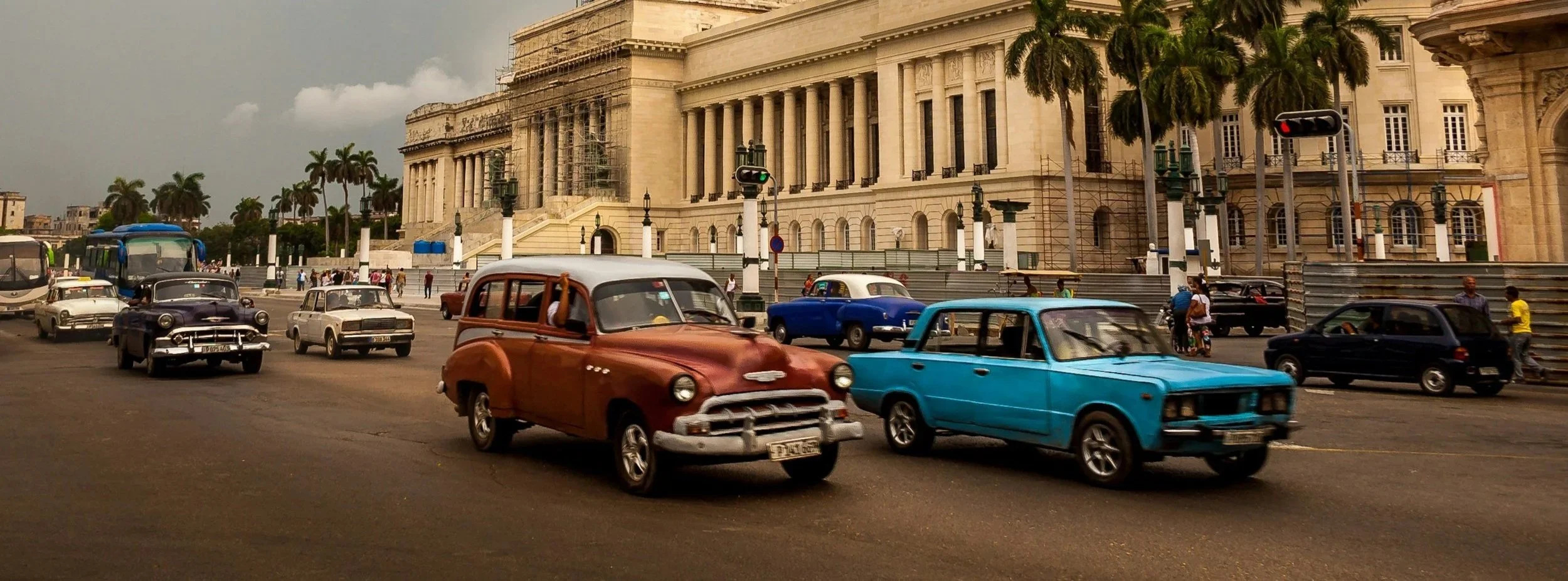
Some lessons are easier to understand when they are experienced firsthand.
A classroom discussion about history can take on new meaning when participants stand in the places where that history unfolded. Studying music becomes more personal when students hear directly from the musicians carrying traditions forward. Conversations about art, identity, migration, or cultural exchange can deepen when participants engage with the people whose lives and work are connected to those subjects.
This is the value of thoughtfully designed educational travel.
For universities and cultural institutions, travel can create opportunities to connect academic learning with lived experience. It encourages participants to ask questions, listen to perspectives beyond their own, and consider how history, culture, and place shape the ideas they are studying.
But meaningful educational travel requires more than a schedule of cultural activities. A strong program begins with clear learning objectives and considers how each experience contributes to a larger educational purpose. The most valuable itineraries create space for context, conversation, reflection, and meaningful exchange.
Cuba offers a particularly rich environment for this kind of learning. Its history, cultural traditions, artistic communities, architecture, and global connections provide opportunities to explore complex questions across a range of disciplines. Participants can engage with artists, musicians, educators, historians, and community members while gaining a deeper understanding of how culture is created, preserved, and continually reshaped.
At Project Por Amor, we believe educational travel is most powerful when learning moves in both directions. Our experiences are designed to create opportunities for participants to learn from local perspectives while also contributing to thoughtful cultural exchange. The goal is not simply to take a group somewhere new, but to create the conditions for curiosity, dialogue, and experiences that continue to shape how participants think long after the journey ends.
What Makes Educational Travel to Cuba Meaningful?
Educational travel becomes meaningful when the destination is part of the learning process—not simply the setting.
A thoughtfully designed journey to Cuba can connect academic subjects with the people, places, and cultural traditions that bring those topics to life. For students and institutional groups, this creates opportunities to move beyond observation and engage more directly with the questions they are exploring.
Learning With a Clear Purpose
The strongest educational journeys begin with a question, theme, or set of learning objectives.
A university program may focus on Cuban art, music, history, architecture, migration, public policy, or cultural identity. A museum or cultural institution may be interested in connecting an exhibition or collection to the communities and traditions that shaped it.
These goals can help determine which experiences, conversations, and locations will be most meaningful.
Rather than adding activities simply because they are popular with visitors, a thoughtful itinerary connects each experience to a larger educational purpose. A meeting with an artist, for example, may become an opportunity to discuss creative practice and cultural identity. A neighborhood visit can provide context for conversations about architecture, history, or community change.
Learning Through Direct Experience
Educational travel offers something that cannot always be recreated in a classroom or lecture hall: direct experience.
Participants can hear musicians perform while learning about the traditions behind their work. They can meet artists in their studios and ask questions about their creative process. They can explore historic spaces while discussing how the past continues to influence the present.
These encounters can make learning more immediate and personal.
They can also encourage participants to think critically about what they are seeing and hearing rather than accepting a single version of a place or its history.
Cultural Exchange, Not Cultural Consumption
Meaningful educational travel should create opportunities for exchange.
This means approaching local artists, educators, historians, and community members as people with expertise and perspectives to share—not simply as part of an itinerary.
Conversation is an important part of the experience. Participants should have opportunities to ask questions, listen, and engage with ideas that may challenge their assumptions. The goal is not to arrive with all the answers, but to create space for learning that moves in multiple directions.
Making Space for Reflection
Some of the most important learning happens after an experience. A conversation with a local artist may raise questions that require further discussion. A visit to a historic site may offer perspectives that challenge what participants previously understood. A shared experience may mean something different to each person in the group. Building in time for reflection allows participants to process these moments and connect them back to the broader goals of the journey.
At Project Por Amor, we believe educational travel should encourage curiosity before, during, and after the trip. By combining direct experience with conversation and reflection, a journey can become part of an ongoing learning process rather than an isolated event.
Project Por Amor Perspective
The most meaningful educational experiences are not measured by how many places a group visits. They are measured by the questions participants ask, the conversations they have, and the perspectives they carry with them afterward.
At Project Por Amor, we approach educational travel as a collaborative process. We work to understand an institution's learning goals and design experiences around meaningful connections with the artists, educators, cultural practitioners, and communities who can bring those themes to life. The goal is to create more than an itinerary. It is to create the conditions for genuine curiosity, exchange, and learning—allowing participants to experience Cuba not simply as visitors, but as engaged learners.
Learning Through People, Culture & Place
Educational travel becomes most powerful when learning happens through direct engagement with the destination. In Cuba, students and institutional groups can explore academic themes through conversations, creative experiences, historic places, and encounters with people whose work and experiences provide perspectives that cannot be replicated in a traditional classroom.
Learn From Local Experts
People are often the most valuable part of an educational journey.
Artists, musicians, educators, historians, cultural practitioners, and community members can offer firsthand perspectives on Cuba's history and contemporary culture. Conversations with local experts allow participants to ask questions, hear personal experiences, and explore subjects from perspectives that may differ from what they have encountered in academic settings.
These exchanges can also help participants understand that there is rarely a single story or interpretation of a complex place.
Experience Culture Through Creative Expression
Art and music provide natural pathways for experiential learning.
A conversation with an artist can open discussions about identity, history, and creative practice. Meeting musicians can provide insight into the traditions, influences, and social contexts behind Cuba's diverse musical landscape. Visiting cultural spaces can connect participants with the people actively preserving and evolving those traditions.
Creative experiences can therefore serve as both cultural encounters and educational opportunities, particularly when they are connected to the program's broader learning objectives.
Let Place Become Part of the Classroom
Cuba's cities, neighborhoods, historic sites, and cultural institutions can provide context that makes academic subjects tangible.
A discussion about architecture can become more meaningful when participants examine historic buildings firsthand. Conversations about migration can be connected to the places and communities shaped by generations of movement. Studying Cuban history can take on new dimensions when participants encounter the physical spaces connected to that history.
The destination itself becomes part of the curriculum.
Encourage Questions and Multiple Perspectives
Travel creates opportunities to encounter perspectives that may be unfamiliar.
Participants may hear different interpretations of historical events, cultural traditions, or contemporary issues. These moments can encourage critical thinking and provide opportunities to discuss how personal experience, culture, and context influence the way people understand the world around them.
Rather than presenting a single definitive narrative, meaningful educational travel creates space for participants to listen, compare perspectives, and develop their own informed understanding.
Connect Experience Back to Learning
The value of an educational journey continues after each experience ends.
Faculty and program leaders can encourage participants to reflect through discussions, journals, group conversations, presentations, or other academic activities. These reflections can help connect what participants experienced in Cuba to the concepts and questions being explored within their institution.
At Project Por Amor, we believe the strongest educational journeys create a continuous connection between people, culture, place, and learning. By designing experiences around meaningful local relationships and clear educational goals, we help institutions create journeys where participants do more than see Cuba—they engage with it, learn from it, and return home with new questions and perspectives.
Designing a Thoughtful Educational Itinerary
A strong educational itinerary is more than a schedule of activities. It is a learning framework that connects each experience to the goals of the program while leaving enough room for conversation, reflection, and discovery. For universities and cultural institutions, the most effective approach is to determine what participants should learn or understand first, then build the journey around those objectives.
Start With Learning Objectives
Begin by identifying the central themes or questions the group wants to explore.
A program might focus on Cuban music and cultural history, contemporary art, architecture, migration, education, agriculture, or another academic discipline. Defining these priorities early makes it easier to determine which people, places, and experiences will contribute most meaningfully to the journey.
Clear objectives also give faculty and program leaders a framework for evaluating the experience after participants return home.
Balance Structured Learning With Discovery
An educational itinerary needs structure, but it should not feel like a classroom that simply happens to be somewhere else.
Schedule meaningful conversations, site visits, performances, workshops, and other experiences with enough time to engage fully. At the same time, leave space for informal conversations, independent observation, and unexpected discoveries.
A flexible itinerary can allow a particularly interesting discussion to continue or give participants time to process an experience rather than immediately moving to the next scheduled activity.
Connect Experiences to One Another
The strongest itineraries create a narrative rather than a collection of unrelated activities.
For example, a program exploring Cuban art might connect a conversation with an artist to a visit to a gallery or cultural institution, followed by a discussion about the historical and social influences visible in the work. A music-focused program might combine performance, conversation, and historical context to help participants understand how musical traditions have developed and continue to evolve.
Each experience should build on what came before it.
Prioritize Meaningful Local Engagement
Consider who participants will meet and what they can learn from those interactions.
Local artists, musicians, educators, historians, cultural practitioners, and community members can provide perspectives that complement academic instruction. These relationships can make the itinerary feel more personal while giving participants opportunities to engage directly with people connected to the subjects they are studying.
The quality of these connections often matters more than the number of activities included.
Build in Time for Reflection
Reflection should be part of the itinerary, not something left until the group returns home.
Create opportunities for participants to discuss what they have experienced, compare perspectives, and connect their observations to the program's academic themes. A facilitated conversation, journal prompt, small-group discussion, or faculty-led reflection can help transform an interesting experience into deeper learning.
Even a short period of intentional reflection can make a significant difference.
Consider the Needs of the Group
Educational groups may include participants with different levels of familiarity with Cuba, different academic interests, and different expectations for travel.
Consider the group's size, age, academic background, mobility needs, schedule, and desired level of structure when designing the experience. A thoughtful itinerary should be challenging and engaging without becoming unnecessarily demanding.
For faculty and program leaders, logistics should ultimately support the learning experience rather than compete with it.
Build With the Right Partner
Developing an educational journey requires more than arranging transportation and activities. The right cultural travel partner can help institutions identify meaningful local connections, coordinate logistics, and shape experiences around the program's educational objectives.
Project Por Amor works collaboratively with universities and cultural institutions to develop small-group journeys that connect institutional goals with meaningful cultural experiences. By combining thoughtful planning with local relationships, we help create itineraries that give participants the structure they need while preserving the curiosity, dialogue, and discovery that make educational travel valuable.
Choosing the Right Cultural Travel Partner
For universities and cultural institutions, choosing a travel partner is an important part of creating a successful educational journey. The right partner should do more than coordinate logistics—they should understand the institution's goals, provide meaningful local connections, and help translate those goals into an experience that participants can engage with.
Look for Experience With Cuba
Traveling to Cuba requires knowledge of the destination, its cultural landscape, and the considerations involved in organizing experiences for U.S.-based groups.
An experienced partner can help institutions navigate the practical aspects of planning while also providing insight into the people, places, and cultural experiences that may be most relevant to a particular program.
Ask potential partners about their experience working with universities, cultural institutions, and small groups, as well as their relationships with local cultural communities.
Prioritize Local Relationships
Meaningful cultural exchange depends on genuine relationships.
A strong partner should have established connections with artists, musicians, educators, historians, cultural organizations, and other local practitioners. These relationships can create opportunities for participants to engage directly with people who have firsthand knowledge of the subjects being explored.
Consider whether the partner's local relationships are central to how they design experiences or simply added as activities within a standard itinerary.
Make Sure the Experience Can Be Customized
Every institution has different goals.
A university course focused on Cuban history may require a very different itinerary from an arts program, faculty research trip, museum delegation, or cultural exchange initiative. A strong travel partner should be willing to understand those goals and build an experience around them.
Look for a collaborative process that allows the institution to shape the itinerary rather than selecting from a predetermined list of activities.
Consider the Balance of Learning and Logistics
Educational travel involves considerable logistics, from transportation and accommodations to scheduling and group coordination.
A capable partner should be able to manage these details while keeping the educational purpose of the journey at the center. Faculty and program leaders should be able to focus on their participants and learning objectives rather than spending the trip troubleshooting logistics.
The best partnerships make the logistics feel almost invisible because they support rather than distract from the experience.
Ask How Cultural Exchange Is Approached
Cultural travel should be built around respect, curiosity, and mutual exchange.
Ask how a potential partner works with local communities and how participants are encouraged to engage with the people they meet. Experiences should create opportunities for conversation and learning rather than treating local culture as something to simply observe or consume.
This distinction can have a meaningful impact on the quality of the educational experience.
Look for a Partner Who Understands Your Goals
Ultimately, the right partner should feel like an extension of the program team.
They should take time to understand why the institution is traveling, what participants hope to learn, and what kind of experience the group needs. They should be able to translate those goals into thoughtful experiences while remaining flexible as the journey develops.
At Project Por Amor, we approach institutional travel as a collaborative partnership. We work with universities and cultural organizations to understand their objectives, then develop small-group experiences around meaningful connections with the people, communities, and cultural traditions of Cuba.
Our role is not simply to organize a trip. It is to help institutions create a journey where logistics support learning, local relationships create context, and participants have opportunities to engage with Cuba in a thoughtful and meaningful way.
Planning an Educational Journey to Cuba
Planning an educational journey to Cuba requires more than creating an itinerary. Universities and cultural institutions need to consider their educational objectives, participant needs, cultural programming, logistics, and the requirements that apply to U.S. travelers. Starting the process early gives program leaders more time to build an experience that is both purposeful and practical.
Define the Purpose of the Journey
Begin by establishing why your institution wants to travel to Cuba.
Is the program connected to a course or academic discipline? Is it part of a study abroad initiative, faculty program, cultural exchange, research project, or museum partnership?
A clear purpose provides a foundation for the rest of the planning process. It can help determine which people participants should meet, which places they should visit, and what experiences will best support the program's goals.
Identify the Participants
Consider who will be traveling and what they need from the experience.
A group of undergraduate students may have different expectations and logistical requirements than faculty members, researchers, museum professionals, or cultural leaders. Group size, academic background, mobility considerations, travel experience, and desired level of structure can all influence how an itinerary should be designed.
Understanding the group early allows the program to be tailored appropriately.
Build the Program Around Learning
Once the goals and participants are established, identify the experiences that will bring those objectives to life.
Consider conversations with local experts, visits to cultural institutions, artist or musician engagements, workshops, historic sites, and opportunities for community-based learning. Each activity should have a clear connection to the themes the group is exploring.
The strongest itineraries create a progression, with each experience adding context to what participants have already learned.
Address U.S. Travel Requirements
Organizations arranging travel to Cuba for U.S. participants should understand the current legal and regulatory requirements that apply to their program.
Travel to Cuba by U.S. persons is subject to U.S. regulations, including requirements associated with the authorized categories of travel. Educational and cultural programs may fall within specific regulatory frameworks, so institutions should ensure that their program is structured and documented appropriately.
Because requirements can change, organizations should review current guidance from the relevant U.S. government authorities and work with experienced travel partners and legal or compliance professionals when appropriate.
Plan the Practical Details
Once the educational framework is established, consider the logistics that will allow the program to operate smoothly.
These may include accommodations, transportation, meals, scheduling, group coordination, local support, accessibility considerations, and communication plans. A well-designed itinerary should provide enough structure to keep a group organized without making every moment feel predetermined.
Good logistics create the foundation for participants to focus on the experience itself.
Prepare Participants Before Departure
Pre-departure preparation can significantly influence the quality of an educational journey.
Provide participants with background information about Cuba, the program's learning objectives, cultural expectations, and practical travel considerations. Faculty and program leaders can also introduce questions or themes that participants should consider before arriving.
The more context participants have before the journey, the more prepared they may be to engage thoughtfully with the people and experiences they encounter.
Create Opportunities for Reflection
Learning should continue throughout the journey and after participants return home.
Build reflection into the program through group discussions, journals, presentations, faculty-led conversations, or other activities that encourage participants to connect their experiences to the program's broader objectives.
Reflection helps participants move from simply experiencing something new to considering what they learned from it and how it connects to their academic or professional interests.
Work With an Experienced Partner
Institutional travel involves many moving pieces, and an experienced cultural travel partner can help bring them together.
Project Por Amor works with universities and cultural institutions to develop customized small-group experiences in Cuba. We collaborate with program leaders to understand their goals, identify meaningful local connections, coordinate the practical elements of the journey, and create experiences designed around learning and cultural exchange. The result is a journey that gives institutions the structure and support they need while leaving participants room for curiosity, conversation, and discovery.
FAQs
-
Yes, U.S. universities and other organizations can participate in certain authorized educational activities in Cuba, provided the program meets applicable U.S. requirements. Institutions should review current regulations and ensure their program is structured appropriately.
-
Educational travel can support learning across subjects including Cuban history, music, art, architecture, migration, cultural identity, and international relations. Direct engagement with local experts and communities can add context that complements classroom learning.
-
Begin with clear academic or program objectives, then build the itinerary around experiences that support those goals. Conversations with local experts, cultural institutions, artists, musicians, and community members can create opportunities for experiential learning and cultural exchange.
-
Institutions should look for a partner with experience in Cuba, strong local relationships, institutional travel experience, and the ability to customize programs around educational objectives. The partner should also be able to support the practical and logistical needs of a group throughout the journey.
-
Yes. Project Por Amor works with universities and cultural institutions to develop customized small-group experiences based on their academic, cultural, and organizational goals.
Related Guides
-

Legal Travel to Cuba: A Guide for U.S. Travelers
-
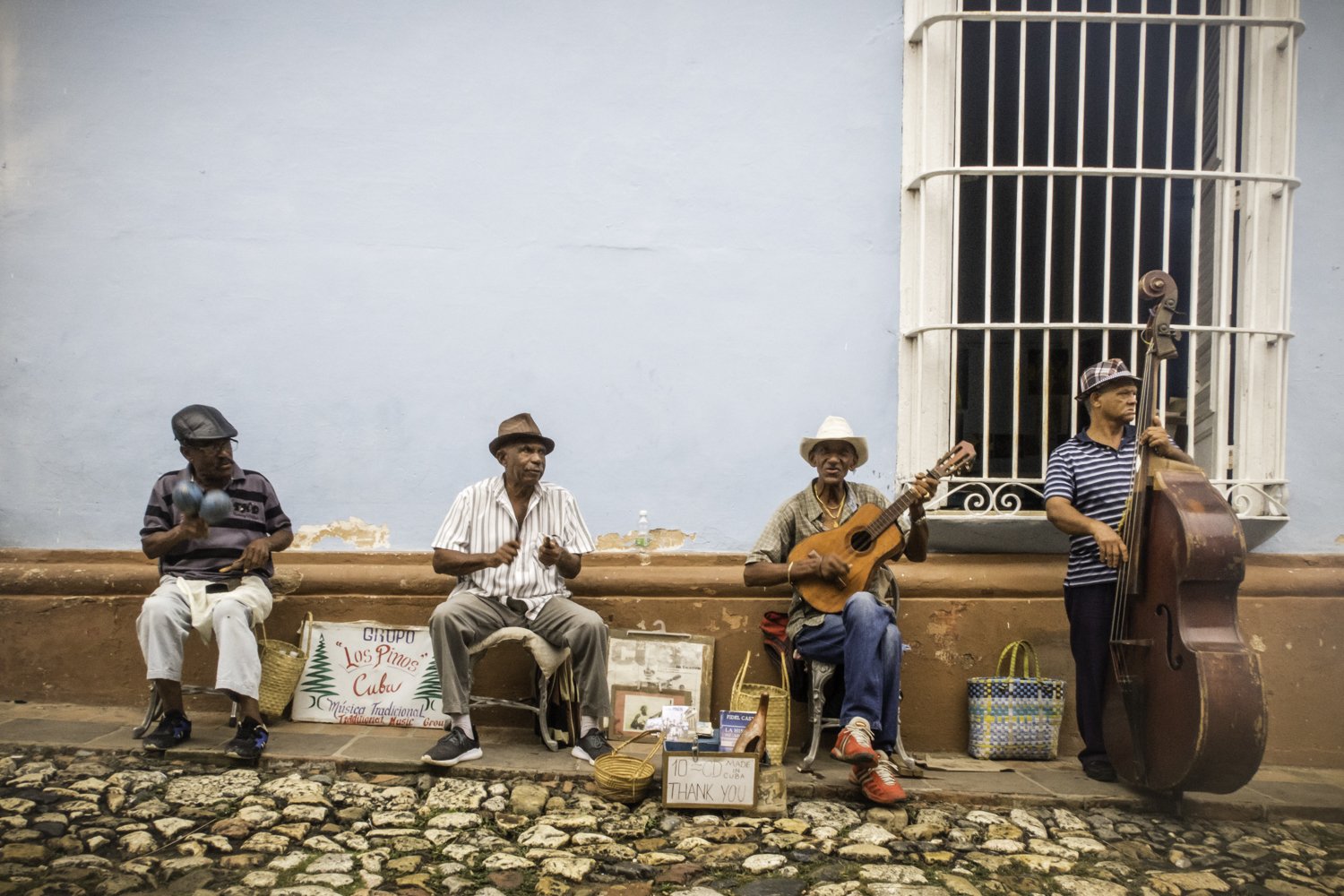
Cuba Arts & Music: A Cultural Travel Guide
-
Heritage Travel to Cuba: A Guide to Reconnecting With Your Family's Story