

Heritage Travel to Cuba: A Guide to Reconnecting with Your Family's Story
A journey to Cuba can be more than a trip—it can be an opportunity to reconnect with the places, stories, and traditions that shaped your family. This guide explores how heritage travel can help you trace personal history, deepen your understanding of cultural identity, and create meaningful connections across generations.
In This Guide
Quick Answer
Why This Matters
Understanding Heritage Travel to Cuba
Tracing Your Family's Story
Experiencing Cuba Through Personal Connections
Choosing a Meaningful Heritage Journey
Planning Your Heritage Journey
FAQs
Related Guides
Quick Answer
Heritage travel to Cuba is an opportunity to explore the places, stories, and cultural traditions connected to your family's past. For some travelers, that may mean returning to a hometown their parents or grandparents once knew. For others, it may involve tracing family records, visiting meaningful places, reconnecting with relatives, or simply gaining a deeper understanding of the culture that shaped their family's story.
There is no single way to reconnect with heritage. You may arrive with detailed family history, a few old photographs, or only stories passed down through generations. Even when the path is incomplete, traveling with curiosity can create opportunities to better understand the places and experiences connected to your family's past.
A meaningful heritage journey often combines personal research with cultural context. Walking through a neighborhood, visiting a family hometown, listening to stories from local residents, or spending time with artists and cultural practitioners can help connect what you know about your family to the broader history and culture of Cuba.
For many members of the Cuban diaspora, these experiences can also create space to reflect on identity, migration, memory, and the connections that continue across generations.
Project Por Amor approaches heritage travel as a deeply personal journey. Our experiences are designed to create space for individual stories, thoughtful research, and meaningful connections—helping travelers experience Cuba not simply as a destination, but as a place connected to their own family history and sense of identity.
Why This Matters
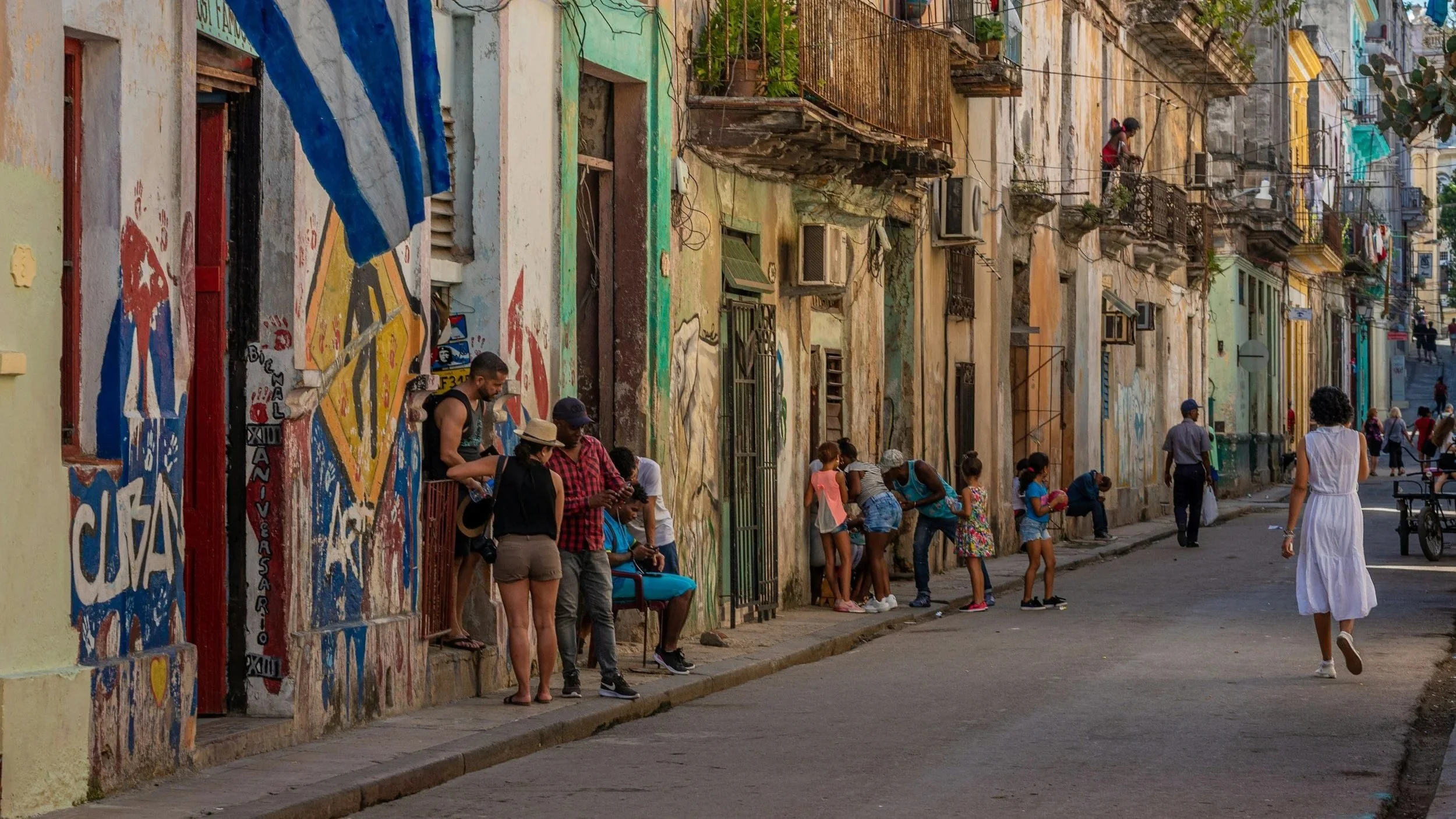
Family stories can travel across generations, even when the details begin to fade. A name may appear in an old photograph. A neighborhood may be mentioned in a grandparent's story. A recipe, song, or family tradition may carry a connection to a place someone has never personally seen. For members of the Cuban diaspora and others with family ties to the island, these fragments can become meaningful starting points for understanding where they come from.
Heritage travel creates an opportunity to bring those stories into conversation with the places connected to them. For some travelers, visiting Cuba may mean standing on the street where a parent or grandparent once lived. For others, the journey may be less about finding a specific address and more about understanding the cultural traditions, history, and experiences that shaped their family's identity. Both experiences can be meaningful.
Traveling to a place connected to family history can also create space for reflection. It may raise questions about migration, separation, belonging, and the ways identity changes across generations. There may be moments of recognition, but also moments of discovery that challenge or expand the stories a family has carried forward. That is why heritage travel is about more than retracing the past. It can also help create a deeper understanding of the present.
For Project Por Amor, the goal is not to promise that every journey will provide every answer. Family histories can be complex, records may be incomplete, and personal connections can take unexpected forms. Instead, we believe meaningful heritage travel creates space for curiosity, conversation, and connection—allowing travelers to explore the stories they know while remaining open to the ones they may discover along the way.
Understanding Heritage Travel to Cuba
Heritage travel is different from a traditional vacation. While sightseeing may still be part of the journey, the experience is shaped by a more personal question: What can this place help me understand about my family, my history, and myself?
For travelers with Cuban roots, the answer will look different for everyone. Some may be searching for a specific hometown, family home, school, church, or neighborhood. Others may know little more than a family name or a story passed down through generations. Some may be returning to Cuba for the first time, while others may have visited before but are now seeking a deeper connection to their family's past. A meaningful heritage journey can make room for all of these starting points.
More Than Finding a Place on a Map
Heritage travel may involve visiting a specific location, but it is rarely only about arriving at an address.
A family hometown can become a starting point for understanding the community, history, and cultural traditions that surrounded previous generations. Walking through a neighborhood may bring new context to stories heard at home. Visiting a local museum, cultural institution, or historic site may help connect a family's personal experience to broader events that shaped their lives.
Even when a specific family location is no longer accessible or identifiable, the journey can still offer meaningful connections.
Connecting Personal History With Cultural Context
Every family story exists within a larger history.
Understanding the social, cultural, and historical context surrounding a parent's or grandparent's life can help make personal stories feel more complete. Learning about the traditions, communities, and changes that shaped a particular region may offer new perspective on why a family made certain decisions or carried particular memories forward.
This broader context is especially important when exploring stories connected to migration and separation. Family histories may include departures, disrupted relationships, or periods where information was difficult to preserve or pass along.
Heritage travel can create space to approach those stories with care and curiosity.
A Journey Without a Perfect Roadmap
Not every heritage journey begins with detailed records. You may have family documents, photographs, letters, and names that provide clear direction. Or you may begin with a single clue and many unanswered questions. Both are valid starting points.
The goal is not always to solve every mystery. Sometimes the most meaningful discoveries come from understanding the questions you are carrying and seeing how a visit to Cuba changes the way you think about them.
Heritage as an Ongoing Connection
Heritage is not something that exists only in the past.
It can be found in the traditions families continue to practice, the stories they choose to preserve, and the ways each generation understands its connection to those who came before them. A journey to Cuba can become part of that ongoing relationship, creating new memories and conversations that future generations may carry forward.
At Project Por Amor, we approach heritage travel as a personal and evolving experience. Our journeys are designed to create space for individual stories while connecting travelers to the broader culture, history, and people of Cuba—because sometimes understanding where you come from is less about finding one definitive answer and more about continuing the conversation.
Project Por Amor Perspective
Every family's story is different, and not every heritage journey begins with clear answers. Sometimes you have an address, a photograph, or generations of family records. Other times, you may have only a name, a memory, or a story that has been passed down over time. Both can be meaningful places to begin. We believe a heritage journey is not about checking every question off a list. It is about creating space to explore what you know, ask new questions, and connect more deeply with the people, places, and traditions that shaped your family's story.
Tracing Your Family's Story
You do not need a complete family tree to begin exploring your connection to Cuba.
A heritage journey can start with a single name, an old photograph, a hometown mentioned in conversation, or a story passed down through generations. Before traveling, taking time to gather these pieces can help create a clearer picture of your family's story—and provide meaningful starting points for your journey.
Start With the Stories You Already Have
Family stories are often the most valuable place to begin. Talk with parents, grandparents, aunts, uncles, and other relatives who may remember details that have never been formally documented. Ask about the places where family members lived, went to school, worked, gathered, or spent time.
Even small details can become meaningful clues. A neighborhood name, the name of a local church, a family business, or a description of a childhood home may help connect personal memories to a particular place.
If possible, record these conversations or take notes. Future generations may value these stories just as much as any official document.
Gather Photos, Documents & Family Records
Old photographs, letters, birth certificates, marriage records, passports, and other family documents can help fill in details and create a timeline.
Look closely at what these materials reveal. A photograph may include a street name or recognizable landmark. A letter may mention a neighborhood, family friend, or hometown. A document may provide a full name, date, or location that helps distinguish one family member from another.
You do not need to organize everything perfectly. Simply bringing these pieces together can reveal connections and questions you may not have noticed before.
Follow the Clues, Even When They Are Incomplete
Family research rarely moves in a straight line. Names may be spelled differently. Memories may conflict. Records may be incomplete or difficult to locate. In some cases, you may discover information that raises more questions than answers. That does not mean the process has failed.
Approach the research with patience and curiosity. A partial clue can still help you better understand a family story or provide direction for further exploration. Sometimes discovering what you do not know is an important part of the journey.
Connect the Personal Story to a Place
As your research develops, begin thinking about the places connected to your family.
You may identify a specific city, town, neighborhood, or region that played an important role in previous generations. Even if you cannot locate an exact family home, visiting the broader community can provide valuable context.
What did daily life look like there? What cultural traditions were important to the community? How might the history of that place have shaped your family's experiences?
Seeing these places firsthand can help transform abstract family history into a more tangible sense of connection.
Let the Journey Create New Questions
A heritage journey does not need to end when you return home. Travel may confirm stories you already know, introduce new perspectives, or inspire questions you had never considered. The conversations, photographs, and memories gathered along the way can become part of your family's story moving forward.
At Project Por Amor, we believe preparation is part of the experience. By beginning with the stories and clues you already have, travelers can approach Cuba with greater intention—while remaining open to the discoveries, connections, and questions that emerge along the way.
Experiencing Cuba Through Personal Connections
Heritage travel becomes especially meaningful when family history is connected to lived experience.
Research can tell you where someone was born, where they lived, or when they left. But spending time in the places connected to those stories can offer a different kind of understanding. Walking through a neighborhood, hearing the rhythms of everyday life, sharing a meal, or speaking with people who know the community can help transform family history from something you have read about into something you can experience more personally.
Visit the Places Connected to Your Story
For some travelers, a heritage journey may include visiting a specific hometown, neighborhood, school, church, or other place connected to previous generations.
Standing in a place your family once knew can be emotional, even when little remains exactly as you imagined it. Cities change. Neighborhoods evolve. Buildings may no longer exist. But the experience can still create a powerful sense of context.
Seeing the broader community can help you imagine the world your family members moved through and better understand the places that shaped their early lives.
Make Space for Family Connections
For some heritage travelers, visiting Cuba may also create opportunities to reconnect with relatives or meet family members for the first time. These encounters can be meaningful, emotional, and sometimes complex. Relationships may have developed across long periods of separation, and each person may carry different memories or perspectives about the family's history.
Approaching these moments with patience and openness can create space for genuine connection. Shared meals, conversations, photographs, and stories can become meaningful ways to learn from one another and preserve family history for future generations.
Experience the Culture That Shaped Your Family
Personal connection is not limited to genealogy.
Music, food, language, art, and cultural traditions can all offer pathways into understanding the world that shaped previous generations. A familiar family recipe may take on new meaning when experienced in its cultural context. A song heard throughout childhood may connect to a broader musical tradition. A story passed down at home may feel different when you visit the place where it began.
These experiences can be especially meaningful for travelers who do not have a specific family address or relative to visit. Cultural connection can still provide a powerful way to explore identity and belonging.
Listen to Stories Beyond Your Own
A deeper understanding of family history often comes from listening to the stories of others.
Local residents, artists, historians, cultural practitioners, and community members can provide perspectives that help connect an individual family story to the broader history of a place. Their experiences may offer context that is difficult to find in documents alone.
The goal is not to assume that one person's experience represents everyone else's. Instead, these conversations can help travelers appreciate the complexity of Cuba's history and the many ways people understand their connection to the island.
Create New Memories Along the Way
A heritage journey is not only about looking backward.
The experience can also create new memories for the people traveling together. A parent and adult child may see a family story from different perspectives. Siblings may discover new questions to explore. Children and grandchildren may begin developing their own connection to a place they previously knew only through family stories.
These new experiences become part of the family's ongoing story.
At Project Por Amor, we believe the most meaningful heritage journeys create space for both remembrance and discovery. Our experiences are designed to honor the personal stories travelers bring with them while creating opportunities for new connections, conversations, and memories that can continue across generations.
Choosing a Meaningful Heritage Journey
No two heritage journeys are alike. One traveler may arrive with a detailed family tree and a clear list of places to visit. Another may know only a few names and stories. Some may be traveling with relatives who share a direct connection to Cuba, while others may be exploring their heritage independently for the first time. A meaningful journey should make room for the story you have—not require you to arrive with all the answers.
Begin With Your Personal Questions
Before planning the details of your trip, consider what you hope to understand. You may want to learn more about where your family lived, better understand the experiences that shaped a parent's or grandparent's life, reconnect with relatives, or simply experience the culture that has remained part of your family's identity.
There may not be one clear answer. Your questions may evolve as you learn more. Beginning with what feels personally meaningful can help guide the journey and determine which places, conversations, and experiences deserve your time.
Look for Experiences That Allow Flexibility
Heritage travel rarely follows a perfectly predictable itinerary.
A family conversation may reveal a new place you want to visit. A local connection may lead to an unexpected introduction. A conversation with a relative may inspire you to spend more time in a particular community.
When choosing a heritage experience, look for enough flexibility to follow these discoveries. A thoughtfully planned journey should provide structure while leaving room for personal priorities and meaningful moments that cannot always be scheduled in advance.
Value Context as Much as Access
Visiting a family hometown can be powerful, but context can make the experience even more meaningful.
Learning about the history, culture, and community surrounding a particular place can help connect your family's story to the broader forces that shaped it. Local guides, historians, cultural practitioners, and community members can offer perspectives that deepen your understanding.
The goal is not simply to arrive somewhere connected to your past. It is to better understand what that place meant—and may continue to mean—to your family.
Make Room for Different Perspectives
Family histories can be complicated. Different generations may remember the same events differently. Relatives may carry experiences that are difficult to discuss. A visit to a meaningful place may bring up emotions you did not expect.
Approaching these moments with patience, curiosity, and respect can create space for a more honest experience. You do not need every family member to see the past in the same way for the journey to be meaningful.
Let Connection Be the Measure of Success
A successful heritage journey does not have to uncover every missing record or answer every family question. Sometimes success looks like finding a place connected to an old story. Sometimes it is hearing a relative's memories for the first time. Sometimes it is simply developing a stronger sense of connection to a culture and history that once felt distant.
At Project Por Amor, we believe the most meaningful heritage journeys are measured by connection, not completion. Our experiences are designed to create space for personal stories, thoughtful exploration, and meaningful exchange—allowing each traveler to follow their own path toward a deeper understanding of where they come from.
Planning Your Heritage Journey
Planning a heritage journey to Cuba can begin long before you board a plane. Gathering family stories, organizing what you know, and thinking intentionally about what you hope to experience can help make the journey more meaningful.
You do not need to have your entire family history documented before you begin. The goal is to create a starting point and leave room for discovery.
Begin Your Research Before You Travel
Start by gathering the information your family already has. Talk with relatives and collect names, dates, photographs, letters, documents, and stories that may provide clues about where previous generations lived. Even small details—a neighborhood, workplace, school, church, or family business—can help establish a connection to a particular place.
Organize what you find so you can easily reference it during your planning. You may also want to create a simple timeline of your family's connection to Cuba to identify gaps or questions worth exploring.
Identify the Places That Matter
Once you have gathered some information, consider which places are most meaningful to your family's story.
This might be a city or town where a parent or grandparent was born, a neighborhood where relatives lived, or a location connected to an important family memory. If you cannot identify a specific address, do not let that stop you. Understanding the broader community can still provide valuable context.
Prioritize the places that help answer your most meaningful questions rather than trying to visit every location connected to your family.
Think About Who You Want to Meet
People can be just as important as places. If you have relatives in Cuba, consider how you would like to spend time together and what stories you hope to share. You may also want to connect with local historians, cultural practitioners, artists, or community members who can provide context about the places and traditions connected to your family's history.
These conversations can offer perspectives that records and photographs cannot provide.
Build in Time for Reflection
Heritage travel can be emotional, particularly when the journey involves family separation, migration, or stories that have been carried across generations.
Avoid creating an itinerary that leaves no room to process what you are experiencing. Give yourself time to walk, reflect, talk with your travel companions, or simply spend time in a place without immediately moving on to the next activity.
Some of the most meaningful moments may happen when there is nothing else scheduled.
Stay Open to What You Discover
Your research may not lead exactly where you expect.
You may find that a family story has changed over time, discover a connection you did not know existed, or encounter gaps that cannot easily be filled. You may also discover aspects of Cuban culture that give familiar family traditions new context.
Approach these moments as part of the journey rather than as disappointments. Heritage travel is often as much about asking better questions as it is about finding definitive answers.
Consider How the Story Continues
Before returning home, think about what you want to carry forward.
Take photographs, record stories when appropriate, write down what you learned, and share the experience with family members who could not travel. Consider creating a family archive or documenting new stories while they are still fresh.
A heritage journey can become more than a personal experience. It can create something that future generations can use to better understand their own connection to Cuba.
At Project Por Amor, we believe thoughtful preparation allows travelers to arrive with intention while remaining open to discovery. Our heritage experiences are designed to bring together personal stories, cultural context, and meaningful connections—helping travelers explore not only where their families came from, but how those stories continue to shape who they are today.
FAQs
-
Heritage travel to Cuba is a journey focused on exploring family history, cultural connections, and the places and traditions associated with previous generations. It can include genealogy research, visiting meaningful places, reconnecting with relatives, and experiencing Cuban culture in a more personal context.
-
Begin by talking with relatives and gathering family names, photographs, documents, stories, and information about places where previous generations lived. Even a single name or hometown can provide a useful starting point for further research.
-
No. While having a specific hometown or family address can help, it is not necessary to have a complete family history. Heritage travel can also focus on broader cultural connections, family stories, and discovering the places and traditions that shaped previous generations.
-
Potentially, depending on what information you have and what locations are accessible. A heritage journey can include family hometowns, neighborhoods, schools, churches, or other meaningful places when they can be identified and appropriately visited.
-
Meaningful heritage travel combines personal history with cultural context and human connection. Conversations with relatives, local experts, artists, and community members can help travelers better understand both their family's story and the larger history surrounding it.
Related Guides
-

Legal Travel to Cuba: A Guide for U.S. Travelers
-
Cuba Arts & Music: A Cultural Travel Guide
-

New Orleans Through Music, Art & Culture: A Cultural Travel Guide