
Best Time to Visit Sicily: A Seasonal Travel Guide
April through June, and September through October. This guide explains what each window actually offers, why we don't run Sicily in July or August, and what a ten-day itinerary looks like when it's built around Sicilian archaeologists, guides and producers.
In This Guide
Quick Answer
Why This Matters
When to Visit Sicily
Who You Travel With
Planning Your Trip
For Organizations and Institutions
FAQs
Related Guides
Quick Answer
The best season to visit Sicily is April through June, and September through October. Project Por Amor runs every Sicily departure inside those two windows and none in July or August. Our 2026 and 2027 departures are April 14-24, June 6-15, September 17-26, September 19-28, September 30-October 9, and October 3-12.
The reason is practical. Inland Sicily - Agrigento, the Valley of the Temples, the interior route toward Piazza Armerina - sits in the low-to-mid 30sC through July and August and pushes past 35C/95F on hot days, with heat waves into the 40sC. Walking a Greek archaeological site in that heat is not a cultural experience; it is an endurance test. August is also when much of Sicily closes: family-run producers, small ateliers and the restaurants worth eating at shut for Ferragosto, the mid-August holiday, and take their own holidays around it.
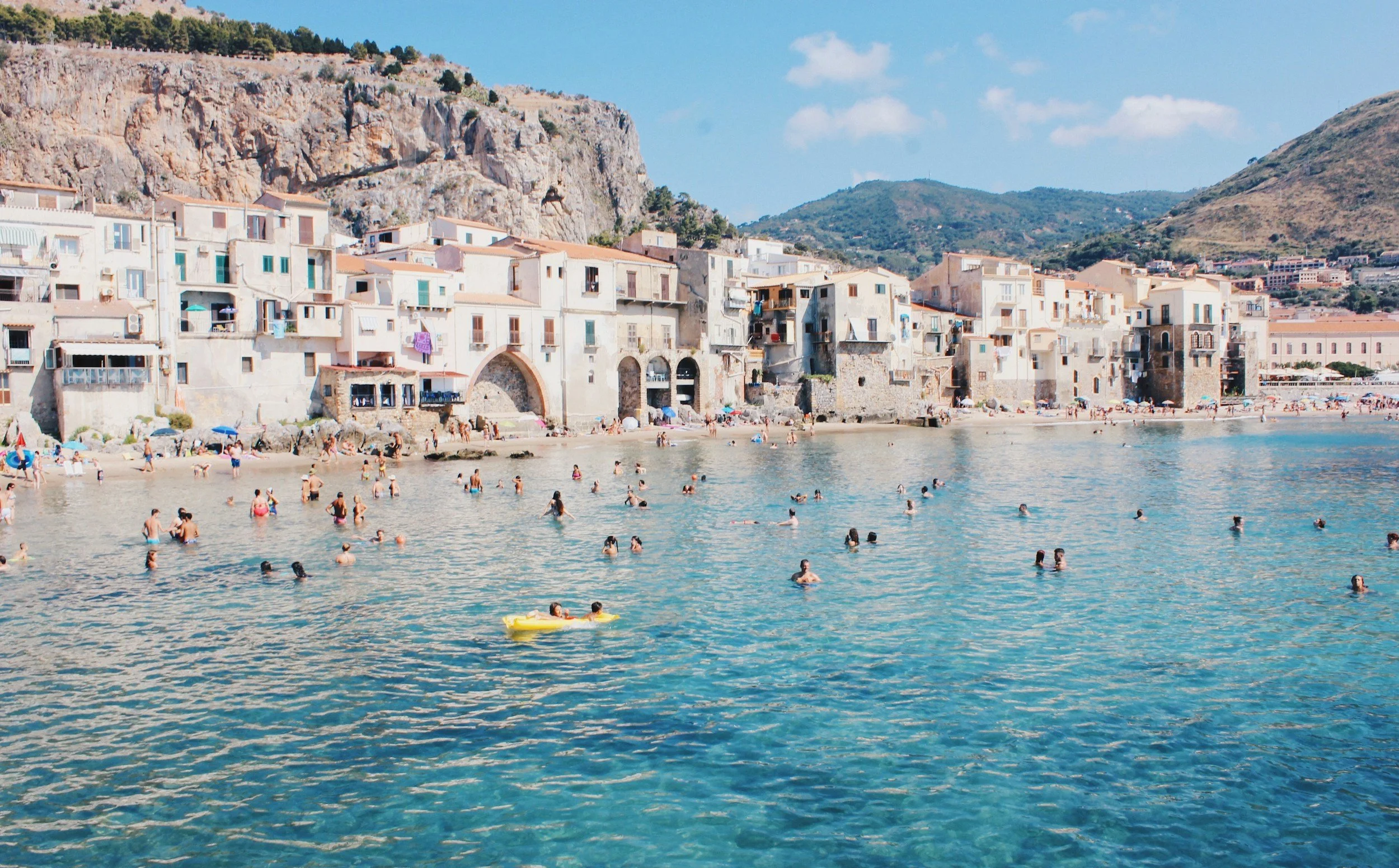
Spring and early summer bring wildflowers, green interior landscapes and mild coastal days. September and October bring the inland and Etna grape harvest, the start of the olive harvest, warm sea and thinner crowds at Taormina and Siracusa. Both windows have full access to the people and places a cultural itinerary depends on. That is the actual criterion.
Why This Matters
Most advice about when to visit Sicily is really advice about weather and crowds. Those matter, but they are the smaller half of the question.
The larger half is whether the island is open to you. Sicily's cultural life runs on small operations - a puppet maker's family atelier, a working olive mill, a vineyard that presses its own, a private palace that opens for a concert. These are not institutions with year-round opening hours and a ticket desk. They are people, and people have seasons, harvests and holidays.
A July itinerary can still deliver the Greek theatre at Taormina and the Valley of the Temples, because stone does not close. What it cannot reliably deliver is the afternoon in the workshop, the lunch at the farm that made the food, the concert in the palace. Those are the parts people remember.
There is a second reason to care about timing. Sicily is layered - Greek, Roman, Arab, Norman, Spanish, Bourbon, and the twentieth century on top of all of it - and understanding a layer takes unhurried time in front of it with someone who can explain what you are looking at. Heat and crowds compress that. Shoulder season gives it back.
Choosing when to go is really choosing how much of Sicily is available to you.
When to Visit Sicily
1. April to June: Spring and Early Summer
The interior is green, which surprises people who expect Sicily to be arid. Wildflowers run through the archaeological sites - the Valley of the Temples in April is one of the best arguments for shoulder-season travel anywhere in the Mediterranean. Coastal days are mild, evenings need a layer, and the sea is cold until late May.
Late spring into June is the newer half of our season and the one we are expanding. Our June 6-15, 2027 departure is priced lower than our autumn departures - $5,380 double occupancy against $6,995 - because it sits ahead of the high season.
Easter is worth knowing about either way. Holy Week processions in towns across Sicily are extraordinary and heavily attended, and accommodation prices rise around them.
2. September to October: The Harvest Half
This is our longest-standing Sicily window and it is built around the harvest. Sicily has the earliest vendemmia in Italy - picking starts in the west in late July and runs nearly a hundred days, reaching the inland vineyards and Etna from September into October. The olive harvest begins in late September and runs through November. Which means the presses and mills are working when you visit them rather than standing idle for a demonstration.
The sea is still warm from summer. The crowds at Taormina, Siracusa and Ortigia have thinned. Days are long enough for a full site and a full meal.
Our autumn departures run ten days: September 17-26 and September 30-October 9 in 2027, September 19-28 and October 3-12 in 2026.
3. Why We Don't Run July or August
Heat, closures and crowds, in that order.
Inland Sicily sits in the low-to-mid 30sC through high summer and pushes past 35C/95F on hot days, with heat waves into the 40sC - and the archaeological sites that make the island worth the trip are almost entirely unshaded. Ferragosto, on 15 August, empties the working Sicily we build itineraries around - the small producers, ateliers and family restaurants close, often for weeks. And the coastal towns fill with Italian domestic holiday traffic, which is exactly when Taormina is least like itself.
We would rather not run a departure than run a diminished one.
4. What We Miss by Not Traveling in Winter
One thing, honestly. The Sagra del Mandorlo in Fiore - the almond blossom festival at Agrigento, running since 1934 and held in late winter, in early March in recent years - is genuinely worth seeing, and it falls just outside our season. Winter Sicily is mild, quiet and cheap, and if you are traveling independently rather than on a cultural itinerary it is a defensible choice. What you give up is that many rural producers and smaller sites keep reduced winter hours.
5. How Long You Need
Ten days is our standard, and it is the shortest length that does the island justice.
Our route runs Palermo, Agrigento, Siracusa and Catania, with Taormina, Corleone and Mount Etna. That is roughly the full width of Sicily, and the drives are real. A week forces a choice between the west and the east, and most people who make that choice regret it. Two weeks is better if you have it.
6. Common Misconceptions About Sicily
Sicily is just southern Italy.
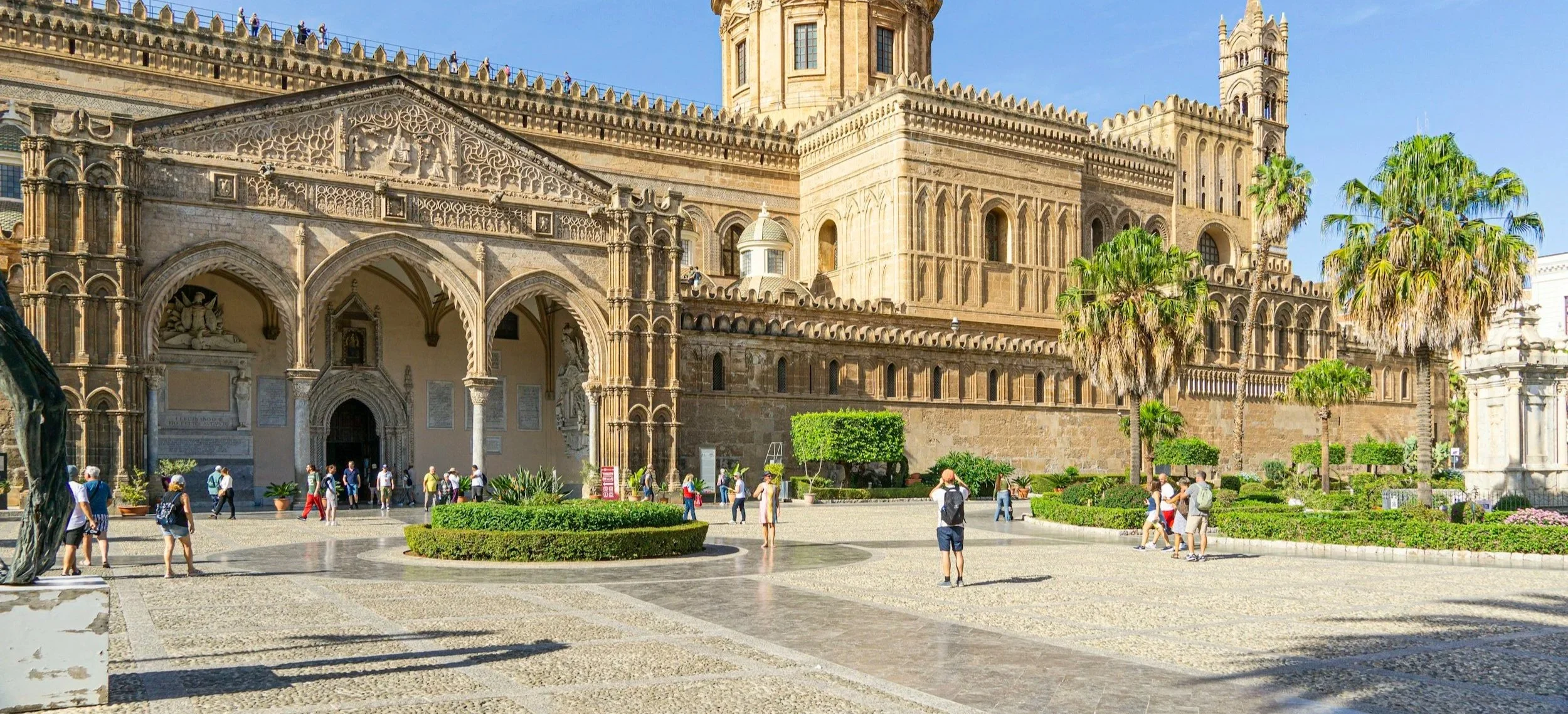
Sicily was Greek before Rome, Arab for over two centuries, and Norman after that - and the Norman period fused all three into something that exists nowhere else. The Cappella Palatina in Palermo is not an Italian building with local flavor; it is the product of a genuinely multicultural court, and UNESCO lists it alongside Palermo Cathedral and the churches at Cefalu and Monreale for exactly that reason.
You need to go in summer for the beaches.
The sea is warmest in September, which is also when the island is most workable. Summer is the worst trade you can make in Sicily.
The mafia makes travel risky.
Organized crime in Sicily is not directed at visitors - its violence has always been aimed at rivals and at the state - and the anti-mafia movement is now itself part of what visitors come to understand. Our itinerary includes CIDMA, the International Documentation Center on the Mafia and the Anti-Mafia Movement, in Corleone, precisely because the honest version of this history is more interesting than either the silence or the mythology.
Sicilian food is Italian food.
Couscous in Trapani, sweet-and-sour caponata, saffron and raisins in savory dishes, granita for breakfast - the Arab period is still on the plate. Sicilian cooking makes more sense read as North African and Greek than as Italian.
You can see Sicily by train.
The rail network follows the coast and is slow. The interior - Piazza Armerina, Corleone, the Valley of the Temples approach, the vineyards and mills - needs road transport.
Project Por Amor Perspective
We are asked whether the shoulder season is a compromise. It is the opposite. July gets you the same monuments in worse conditions with fewer of the people who make them mean something. The reason our departures cluster in April, June, September and October is that those are the months when Sicily is at work - and a working island is the one worth visiting.
Who You Travel With
Our Sicily itineraries are built and led by Sicilians, with twelve subject specialists joining for the places they know best - architecture, archaeology, history, cuisine, art and agriculture. We stay exclusively in locally owned, independent four- and five-star hotels.
Salvo Equizzi, guide.
Salvo graduated in Art History, studied Drama Arts and worked with theatre companies for years before guiding, and once ran a bookshop where he organized cultural events. His view: ""to understand art, it's essential to learn the cultural and social context behind every artistic event before focusing on the technical aspects."" It shows in how he leads a site - the era first, the building second. In his words, the job is to help travelers ""feel, taste, and understand the complex, rugged beauty of my island.
Alessandro Rustico, archaeologist.
Alessandro holds a BA and PhD in Classical Archaeology, with long experience excavating in Sicily and southern Italy. He co-founded Uncovered Sicily with Giuliana Occhipinti in 2013. He guides toward what he calls an unconventional world of archaeology, food, wine and tradition, on the principle that a place "must not only be visited but felt and lived in all its multifaceted features." His summary of the whole approach: "Sicily must be experienced, leisurely and in depth." That is also the reason our itineraries are ten days rather than seven.
Planning Your Trip
1. Group Size and Departures
Project Por Amor Sicily groups run a minimum of 16 travelers, though minimums vary by departure - our June 2027 trip was priced at a minimum of 17. Itineraries are ten days, occasionally eleven. Pricing across our 2026 and 2027 departures runs $5,380 to $6,995 double occupancy, and $6,595 to $8,795 single.
2. Booking Windows
Most groups commit between November and March for the following year. Registration for a given departure typically closes several months out - our June 2027 departure closed registration on 31 August 2026. A $750 deposit holds a place, and final payment is due 90 days before departure.
3. What the Route Covers
Palermo, Agrigento, Siracusa and Catania, with Taormina, Corleone and Mount Etna. Highlights include the Valley of the Temples, the Roman mosaics at Villa Romana del Casale, the Greek Theatre at Taormina, the Teatro Massimo opera house, CIDMA in Corleone, a summit tour of Etna by 4x4, and a private garden tour at San Giuliano.
4. How You Eat
Eight traditional lunches at artisan markets, working farms, olive oil mills, country manors and vineyards, plus cooking classes. In shoulder season these are producers in their working season, not demonstrations arranged for a group.
5. Pace and Mobility
Expect real walking on uneven ancient surfaces - archaeological sites, medieval streets, hill towns. Sicily is not a flat destination. Drives between regions are several hours. If mobility is a consideration, tell us before you book rather than after, because we can plan around a great deal if we know.
6. Practicalities
Sicily is in the eurozone and cards are widely accepted, though small producers and rural markets prefer cash. U.S. citizens need no visa for stays under 90 days; your passport should be valid well beyond your return. Flights connect through Palermo or Catania, usually via Rome or Milan. The EU's biometric Entry/Exit System has been fully operational since April 2026, so expect fingerprint and facial scans at your first Schengen entry. A separate travel authorization, ETIAS, is expected to launch in late 2026 - check current requirements before you book.
For Organizations and Institutions
Sicily has become one of our most requested institutional destinations, and the reason is the layering: an organization interested in architecture, archaeology, preservation, food history or the Mediterranean's multicultural past can build a members' trip around any of those and have a full ten days of substance.
The Preservation Resource Center of New Orleans has run Sicily departures with us in 2025, 2026 and 2027. The Florida Trust for Historic Preservation runs its own Sicily departure in September 2027. Both are membership organizations whose members expect depth, and both sell the trip under their own brand.
That is the model. Project Por Amor produces the program - itinerary, guides, hotels, ground operations, registration and traveler communications. Your organization sets its own price to members and keeps the margin, which is why a members' trip can function as a fundraiser rather than a cost.
Institutional departures are planned twelve to eighteen months ahead. If you are an executive director thinking about a 2028 or 2029 Sicily program, the conversation starts now.
FAQs
-
April through June and September through October. Project Por Amor runs every Sicily departure inside those windows and none in July or August, when inland temperatures push past 95F/35C on hot days and many family-run producers close for Ferragosto.
-
Inland Sicily sits in the low-to-mid 30sC in July and August, pushes past 35C/95F on hot days and into the 40sC in heat waves, and the archaeological sites are largely unshaded. It is also when much of working Sicily closes for the August holidays. September offers the warmest sea and far better conditions on the ground.
-
Ten days is the minimum that covers both the west and the east without rushing. Our itineraries run ten days across Palermo, Agrigento, Siracusa and Catania, with Taormina, Corleone and Mount Etna. A week forces a choice between halves of the island.
-
Minimum 16 travelers, with minimums varying slightly by departure. Groups travel with Sicilian guides and draw on twelve subject specialists across architecture, archaeology, history, cuisine, art and agriculture.
-
Our 2026 and 2027 departures range from $5,380 to $6,995 per person double occupancy, and $6,595 to $8,795 single. A $750 deposit holds a place and final payment is due 90 days before departure.
-
Yes. We produce members' trips for museums, preservation organizations and alumni associations who sell under their own brand and keep the margin. The Preservation Resource Center of New Orleans and the Florida Trust for Historic Preservation both run Sicily departures with us. Plan twelve to eighteen months ahead.
Related Guides
-
Cuba Arts & Music: A Cultural Travel Guide
-
Baja Beyond the Beach: An Art, Wine & Culture Guide
-
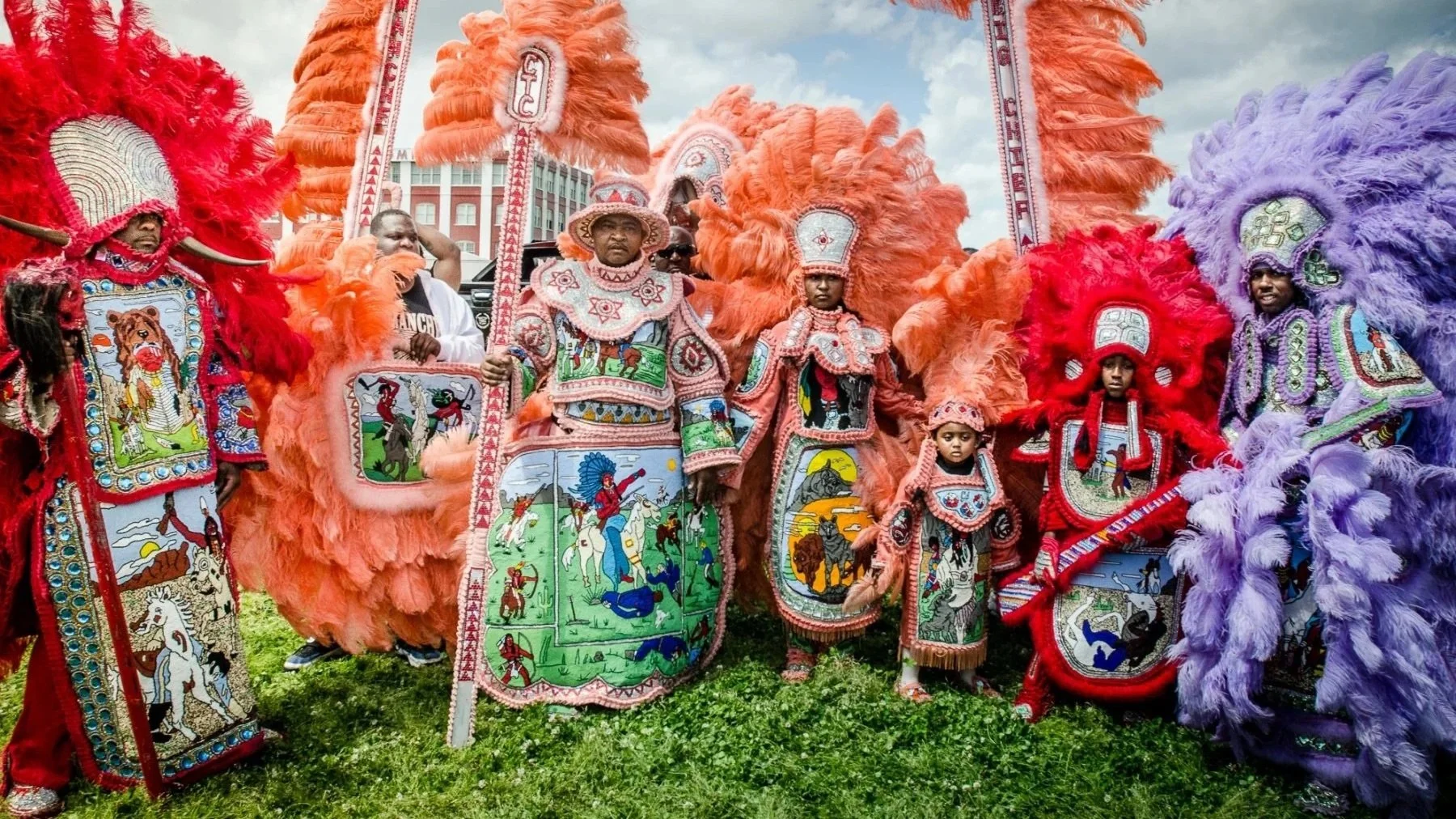
New Orleans Through Music, Art & Culture: A Cultural Travel Guide