

Producing Film, Music & Art Projects in Cuba: A Guide for Creative Professionals
Planning a film, music, or art production in Cuba? This guide explains how international productions work, what to expect when developing a project on the island, and how Project Por Amor supports creative professionals from first permit to final cut.
In This Guide
Quick Answer
Why This Matters
How Production Works in Cuba
Our Production Services
Planning Your Project
FAQs
Related Guides
Quick Answer
Yes. Creative professionals can legally produce film, music, and art projects in Cuba, but an international production needs to be properly authorized and supported by the right local partnerships. That typically means U.S. legal guidance and OFAC licensing where applicable, and Cuban institutional authorization and sponsorship — the same regulatory framework that shapes authorized U.S.–Cuba travel also governs how foreign productions are structured on the island.
For directors, producers, musicians, choreographers, and visual artists, this generally means working with a production partner that already holds active licensing and institutional relationships, rather than trying to navigate Cuba's production landscape independently. Those relationships cover everything from permits and press credentials to local crew, equipment, and venues.
Project Por Amor is an LA-based production company with Cuba production capability, holding an active OFAC license and active Cuban institutional authorization. The company specializes in documentary and scripted film, concert touring, music recording, theater and dance exchanges, visual art projects, and technology initiatives in Cuba and Iceland. While every production is responsible for understanding and complying with applicable U.S. and Cuban requirements, this guide explains the current framework, answers common questions, and outlines how PPA supports creative professionals at each stage of a Cuban production.
Why This Matters
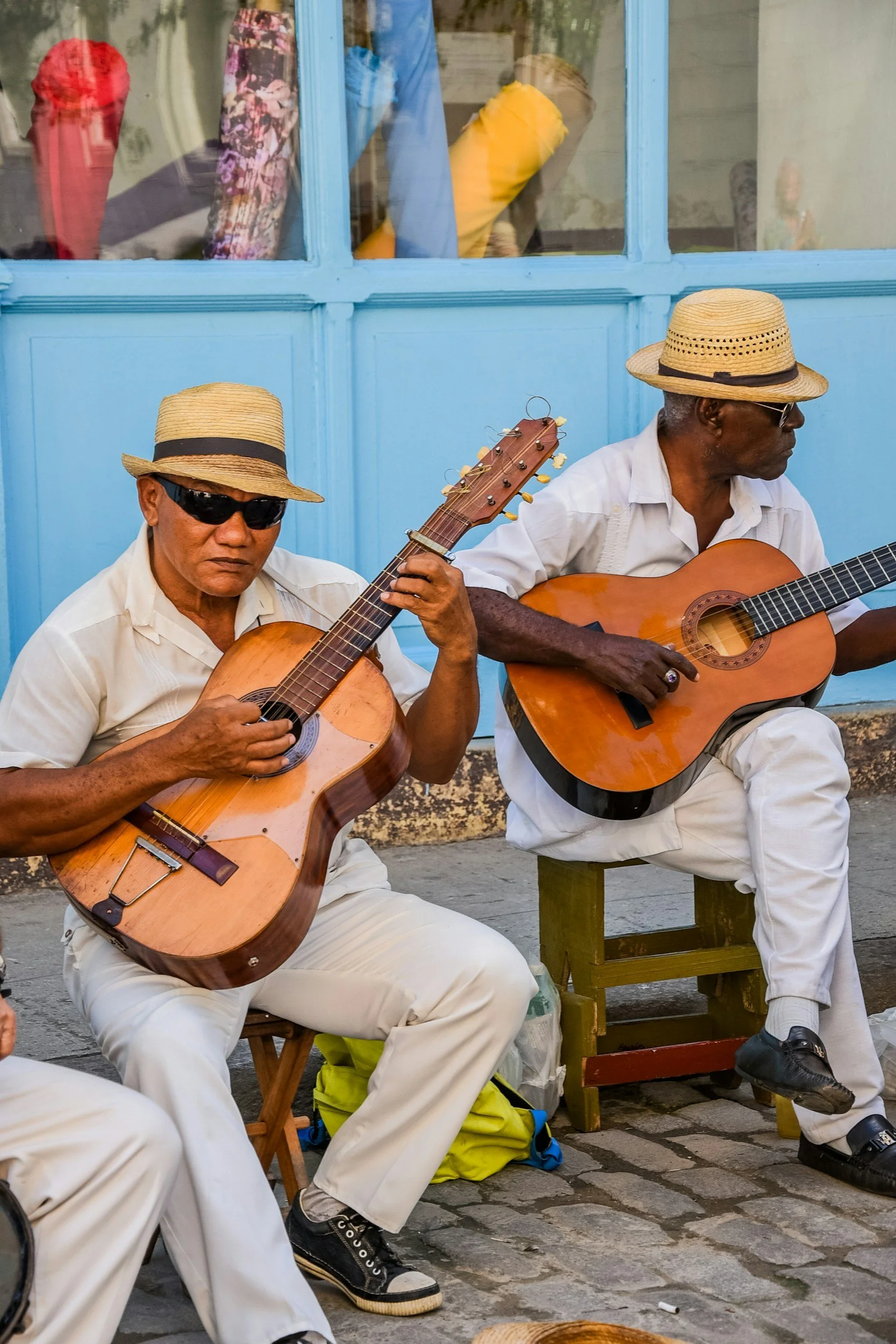
Few undertakings generate as much uncertainty for creative professionals as producing a project in Cuba.
Headlines about shifting U.S.–Cuba policy rarely explain what those changes mean for a working production. As a result, many directors, producers, and musicians assume Cuba is effectively closed to outside productions, while others assume a project there can be run exactly like a shoot or session anywhere else.
The reality sits in between. For most creative professionals, producing in Cuba is achievable — but it depends on proper licensing, institutional authorization, and local partnerships that understand how the island's institutions actually operate. Rather than treating Cuba as a market to enter alone, successful productions are built around relationships: with Cuban institutions, with venues and conservatories, and with the crew, musicians, and artists who make the work possible.
Understanding the framework isn't only about compliance — it's about setting realistic expectations for budget, timeline, and creative process. Productions that arrive with the right partnerships in place tend to move faster and run into fewer surprises, because they're building on relationships that already exist rather than starting from zero.
At Project Por Amor, we believe meaningful production begins with meaningful relationships. Our production work rests on the same foundation as our travel programs: direct, trusted relationships with Cuba's artists, musicians, and institutions. Understanding both the regulatory requirements and the on-the-ground realities lets creative professionals approach a Cuban production with confidence instead of guesswork.
How Production Works in Cuba
1. Understanding the Production Landscape
Producing in Cuba means working within a different regulatory and institutional system than a production in the U.S. or most other countries. Projects typically require U.S. legal guidance, OFAC licensing where applicable, and authorization from Cuban institutions and sponsoring organizations before cameras roll or musicians take the stage.
This isn't paperwork alone. Successful productions also depend on navigating an ecosystem where equipment, crew, venues, and scheduling all work differently than in a conventional market. A production partner with established relationships can move through this system efficiently; one without those relationships often finds the same steps take significantly longer — or stall altogether.
Project Por Amor offers dynamic production design and coordination for projects developed in Cuba and Iceland, drawing on relationships built over years of on-the-ground work.
2. What Full-Service Production Support Looks Like
Project Por Amor's production support spans a wide range of project types, including:
• Documentary and scripted film production
• Concert tour production
• Music recording — film scores and soundtracks, albums, and library music
• Participation in festivals
• Conferences and meetings
• Professional research
• Artist projects
• Theater and dance exchanges
• Fixer services
Across each category, the emphasis is the same: connecting creative professionals with the licensing, local talent, crew, equipment, and institutional relationships a project needs — rather than leaving productions to assemble those pieces on their own.
3. Why Local Partnership Matters
Cuba's creative institutions — its conservatories, theaters, festivals, and cultural agencies — operate through relationships built over time, not cold outreach. A production's success often depends less on budget than on whether its producers have standing relationships with the people and institutions who can make a project possible.
Project Por Amor's production work has grown out of exactly those relationships. After touring with Project Por Amor, composer Charles Fox invited the company to serve as location coordinators for a six-day film shoot that became a third of the scenes in his feature film Killing Me Softly with His Songs. The documentary short The Street Network, produced by Stripe Press with PPA co-founder Sage Lewis among the producing team, traced the evolution of a DIY internet network built by friends in Cuba before the island had ready internet access. And PPA partner Adolfo Nodal, alongside Cuban artist Kadir Lopez, launched Habana Light — a project restoring historic neon signage and bringing new life to Havana neighborhoods.
Each of these projects depended on relationships that already existed on the ground — not ones built for a single shoot.
4. Choosing the Right Production Partner
When evaluating a production partner for a project in Cuba, consider questions such as:
• Does the partner currently hold active OFAC licensing and Cuban institutional authorization?
• Do they have established relationships with Cuban crew, talent, venues, and conservatories?
• Can they manage permits, press credentials, visas, and customs entry for equipment end to end?
• Do they have a track record of completed productions in your medium — film, music, theater, dance, or visual art?
• Are they based where your production is originating, so pre-production planning can happen in person?
Project Por Amor is an LA-based production company with Cuba production capability — positioned to originate and support work from Los Angeles while executing it on Cuban crew, talent, and infrastructure.
5. Common Misconceptions About Producing in Cuba
International productions can't legally work in Cuba.
While tourism isn't an authorized reason for U.S. travel to Cuba, licensed productions — with the appropriate OFAC licensing and Cuban institutional authorization — are able to operate on the island.
Cuban crews and equipment aren't professional-grade.
Cuba has a long, internationally respected tradition in film, music, and the visual arts, with trained crew, musicians, and conservatories that have produced generations of celebrated artists.
Producing in Cuba requires a Hollywood-scale budget.
Project scope varies widely — Project Por Amor has supported everything from a six-day feature film shoot to intimate recording sessions and festival performances.
It's faster and simpler to go it alone.
Without existing licensing, institutional relationships, and local partnerships already in place, productions attempting to self-navigate Cuba's system often face significantly longer timelines than those working with an established partner.
Cuba production is only for major studios.
Project Por Amor has supported everyone from touring high school ensembles and children's choirs to feature film composers and internationally recognized visual artists.
Project Por Amor Perspective
Creative professionals often ask us whether Cuba is “open” for production work. What matters is whether your project has the right licensing, authorization, and local relationships in place before you start. Our production work is built around those three pillars because they determine whether a project moves forward smoothly — or stalls in preproduction.
Our Production Services
Project Por Amor offers dynamic production design and coordination across six areas of arts production in Cuba and Iceland.
Film Production
Services include U.S. legal guidance and OFAC licensing; Cuban institutional authorization and sponsorship; filming permits and international press passes; press visas; VIP airport and customs entry for professional equipment; production design and management; local equipment rental and management; local talent, casting, crew, and technical staff; location scouting; translation and bilingual interpreting; catering; travel and accommodations; and public and private screenings in Cuban theater and at film festivals.
Recent work includes serving as location coordinators for composer Charles Fox's feature film Killing Me Softly with His Songs, and producing The Street Network, a documentary short for Stripe Press.
Visual Art & Preservation
Services include invitations to biennials, galleries, and museums; traveling exhibitions; vintage sign restoration; artist installations; publication projects; artist residencies; collaborations; artist visas; art shipping; and curator and collector research. Project Por Amor partners with the Preservation Resource Center of New Orleans and the Florida Trust for Historic Preservation on architecture and preservation exchanges with Cuba and Sicily.
PPA partner Adolfo Nodal and Cuban artist Kadir Lopez launched Habana Light, restoring historic neon signage across Havana.
Band Touring
Services include invitations to perform at Cuban music festivals and local venues; DIY concerts in non- conventional spaces; collaborations with Cuban musicians and ensembles; local press and publicity across Cuban radio, TV, internet, print, and paquete semanal; outreach to conservatories, religious organizations, and community centers; artist visas; OFAC licenses for public performance; videography, photography, and live concert recording; bilingual interpreting; and travel and accommodations.
Past touring clients include the Third Sound Ensemble at the Havana Contemporary Music Festival, the Chicago Children's Choir, and the Hopkins and Spring Lake Park high school ensembles.
Music Recordings
Services include OFAC licensing, local musical talent contracting, recording studio access, instrument and equipment rental and management, VIP airport and customs entry for professional equipment, and travel and accommodations.
Recordings include Coro Diminuto, a children's chorus recording of composer Sage Lewis's Far Away in collaboration with the National Children's Chorus, and soundtrack work behind Killing Me Softly with His Songs.
Theater & Dance
Services include invitations to perform at Cuban festivals and local venues; pop-up performances in non-conventional spaces; collaborations with Cuban dance and theater ensembles; local press and publicity; outreach to schools, religious organizations, and community centers; artist visas; OFAC licenses for public performance; videography, photography, and live recording; bilingual interpreting; and travel and accommodations.
Notable projects include Zenon Dance Company's Havana performances, the original theater work The Closest Farthest Away, and Oguri and Roxanne Steinberg's Dance and Eye exhibition at Fábrica de Arte Cubano, with photography by Andrew McPherson, Richard Nielsen, Atiba Jefferson, and Ricardo Vidana.
Technology & Innovation
Through its incubator, El Jardin, Project Por Amor offers workshops and laboratories, partnership-building between institutions, artists, and technology developers, 3D printing, immersive reality, and public exhibitions.
FAQs
-
Yes. Licensed productions — supported by U.S. legal guidance, OFAC licensing where applicable, and Cuban institutional authorization — can produce film, music, and art projects in Cuba. Requirements should be confirmed with qualified legal counsel, since regulations can change.
-
Most productions require some form of Cuban institutional authorization or sponsorship, depending on the nature and scale of the project. An experienced production partner can help identify which relationships a given project needs.
-
PPA supports documentary and scripted film, concert touring, music recording, festival participation, theater and dance exchanges, visual art projects, and technology and innovation initiatives, in both Cuba and Iceland.
-
Licensing, authorization, and local scheduling all take lead time, and timelines vary by project scope and current regulatory review. Starting the conversation well before your intended production dates gives a project the best chance of staying on schedule.
-
A partner with active licensing and established Cuban relationships can navigate permits, crew, equipment, and institutional authorization far more efficiently than a production starting from zero — which often determines whether a project stays on budget and on schedule.
Related Guides
-

Legal Travel to Cuba: A Guide for U.S. Travelers
-
Cuba Arts & Music: A Cultural Travel Guide
-

Heritage Travel to Cuba: A Guide to Reconnecting with Your Family's Story