
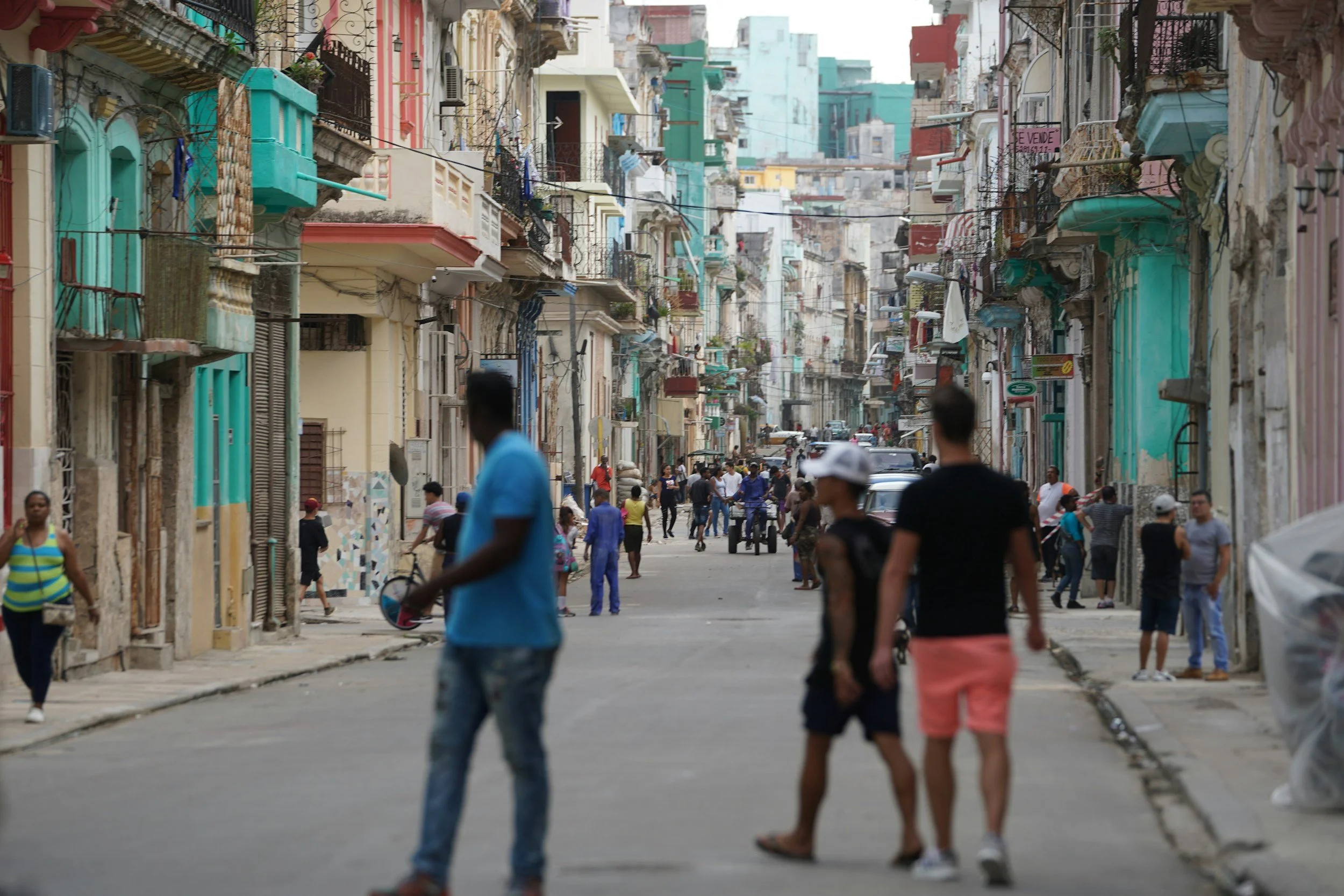
For twenty years, we at Project Por Amor have been building bridges of friendship and cultural exchange between the United States and Cuba. Many of you have walked the streets of Havana with us, sat at dinner tables with Cuban artists and musicians, and experienced firsthand the warmth, creativity, and resilience of the Cuban people.
Right now, those same people are enduring one of the most severe humanitarian crises in the island’s history, and we feel an obligation to share what is actually happening.
Note:
The situation in Cuba is evolving rapidly. Policies are shifting, conditions on the ground are changing day by day, and new developments continue to emerge. We will be updating this piece periodically to keep it as accurate and current as possible.
The Oil Blockade: An Engineered Crisis
Since January, the Trump administration's oil blockade — triggered by the U.S. intervention in Venezuela and enforced through tariff threats on any country supplying Cuba — has cut the island off from fuel entirely. The result is a full humanitarian crisis: rolling blackouts, hospitals unable to operate, water pumps offline, cooking gas gone, food spoiling, trash collection stalled, schools remote, businesses inoperable, and transportation at a standstill.
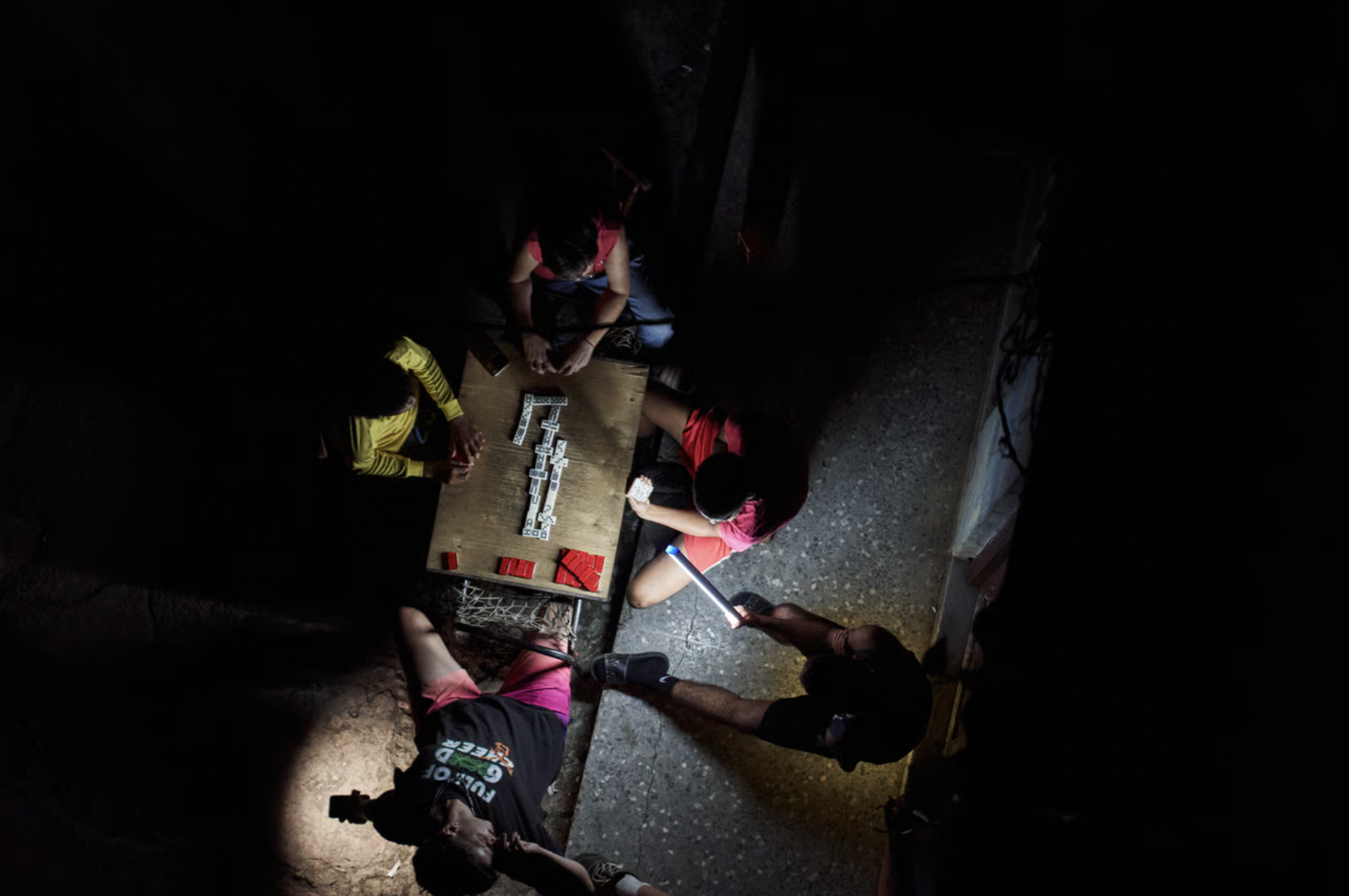
Cubans playing dominos in the dark
Expelling Cuba’s Doctors from the World’s Neediest Communities
A newly uncovered State Department memo reveals the administration is also pressuring governments across the Western Hemisphere to expel Cuba's overseas medical brigades — a program that earns Cuba an estimated $4 billion annually and has for decades placed highly trained doctors in underserved communities where local healthcare systems simply can't cope.
The pressure is working, and vulnerable populations are paying the price. Honduras, Guatemala, Costa Rica, Jamaica, Antigua and Barbuda have all ended their agreements this month. In Guatemala alone, 412 Cuban medical workers had been serving communities where nearly 42% of the population depended on them — primarily indigenous communities with among the highest rates of child malnutrition on the continent. Even Calabria, Italy, has scrapped plans to hire 600 additional Cuban doctors, now facing an €8 million scramble to find replacements. Across the board, nurses and surgeons are being pulled from communities with no one to replace them.
Russia Steps In — and the U.S. Moves to Block That Too
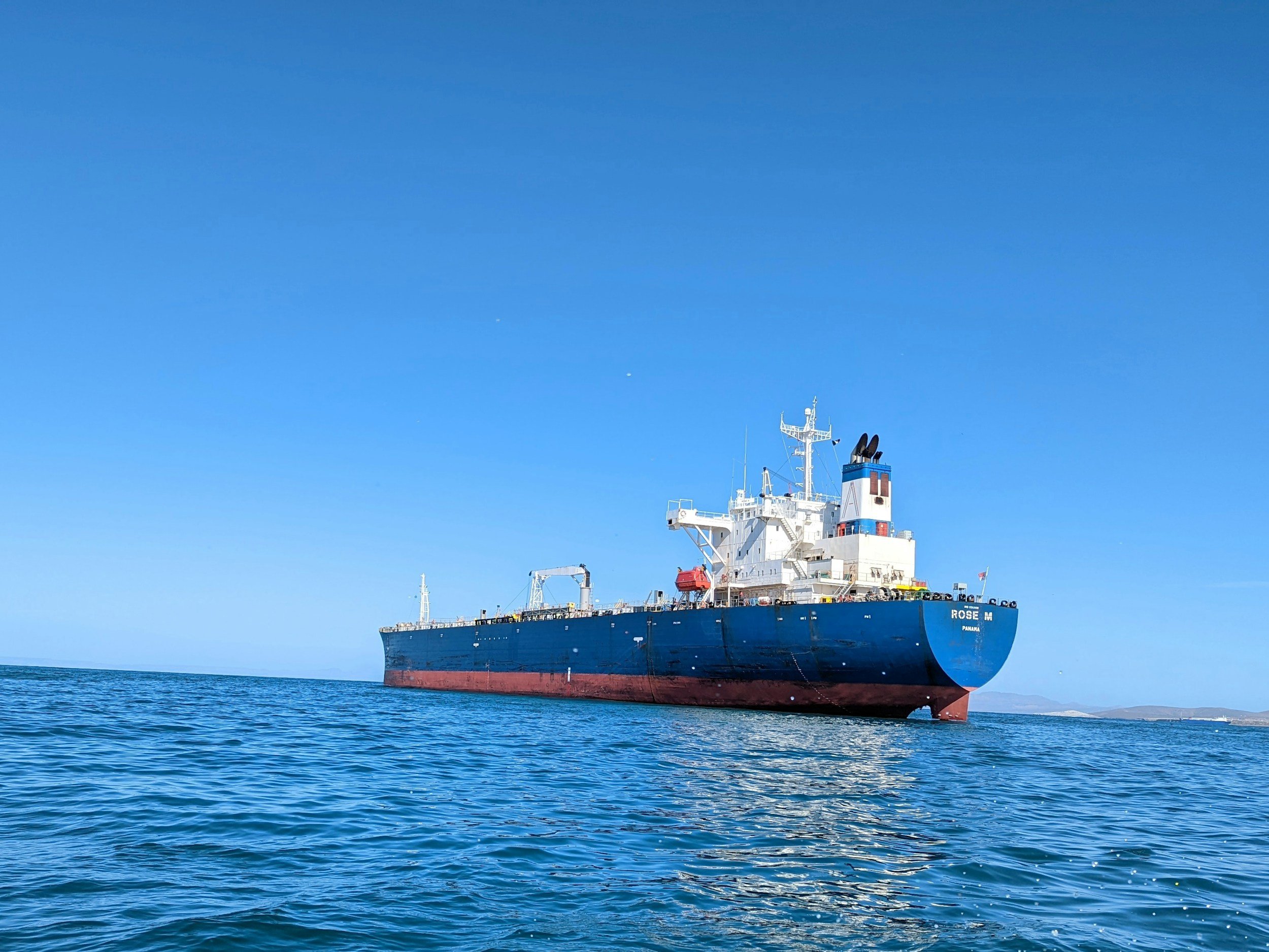
This week, Russia dispatched two tankers carrying approximately 930,000 barrels of oil and diesel — Cuba’s first energy shipments in three months.
While this offers a temporary lifeline, the U.S. has already moved to block it. The Treasury Department has added Cuba to its sanctions framework prohibiting the receipt of Russian oil. How this will be enforced once shipments reach Cuban waters remains uncertain.
An International Convoy Arrives
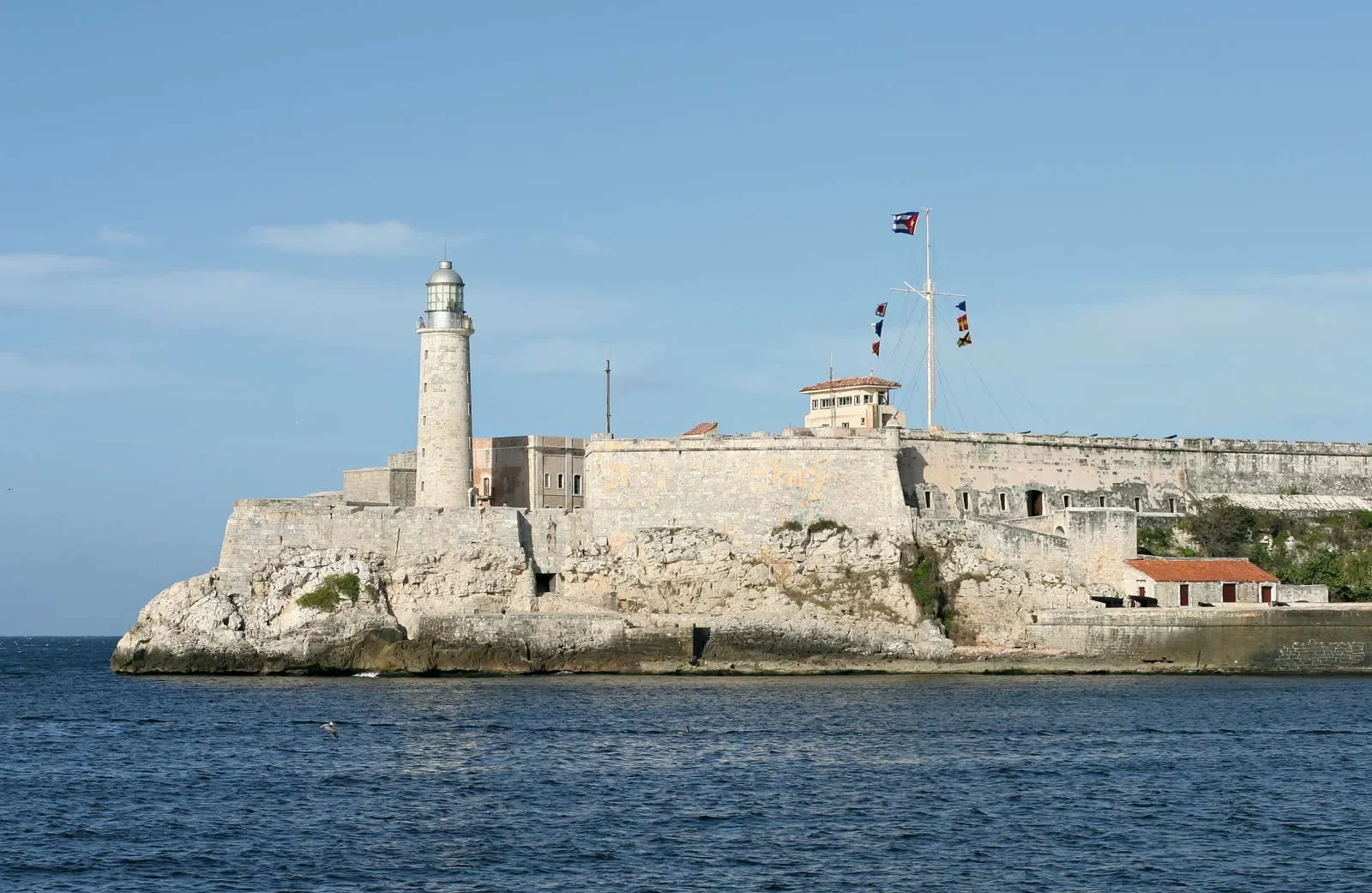
Meanwhile, the Nuestra América Convoy of international solidarity activists departed from Mexico carrying medical supplies, food, solar panels, bicycles, and formula — over 20 tons of supplies — bound for Havana. Participants came from over 30 countries, including the US. "Solidarity can't be blockaded," said one volunteer from Brazil.
Cuba Is Racing Toward Solar
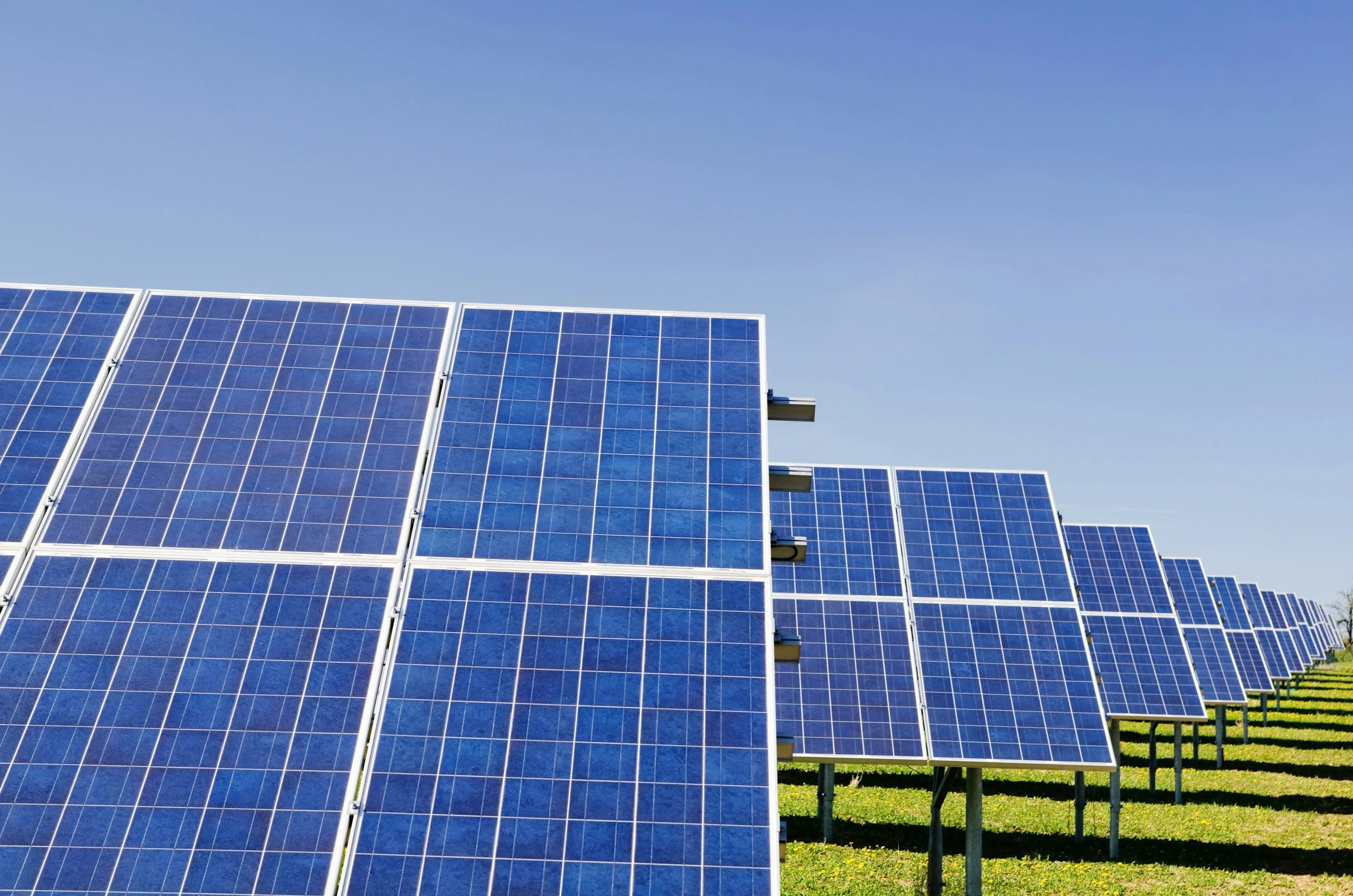
There is one remarkable and hopeful development unfolding in the middle of this crisis. Despite severe financial constraints, Cuba has quietly been building renewable energy capacity. During a nationally televised address, President Díaz-Canel announced that during daylight hours, 38% of Cuba's electricity now comes from solar power. Cuba currently has four wind farms, with a fifth under construction, and has set a target of 92 solar parks by 2028 — with 32 already operational as of late 2025.
As Emily Morris, a development economist at University College London, observed: "There's nothing more powerful than cutting off oil to accelerate the energy transition." The U.S. blockade, in an unintended consequence, may be inadvertently hastening Cuba's permanent energy independence.
Negotiations — and What They Mean
On March 13th, Díaz-Canel publicly confirmed for the first time that Cuba and the U.S. are in diplomatic talks, paired with an announcement that Cuba will release 51 political prisoners negotiated through the Vatican. Reports suggest the Trump administration may be seeking a deal that deposes Díaz-Canel while allowing the Castro family to retain influence. Trump, meanwhile, has been explicit: "Whether I free it, take it — I think I could do anything I want with it." Cuba has responded by opening the island to investment by Cuban Americans abroad, a significant and telling concession. The UN has warned of possible humanitarian collapse and is in talks with Washington to facilitate oil deliveries — so far without result.
Voices from Havana
We receive messages every day from our closest friends in Cuba.
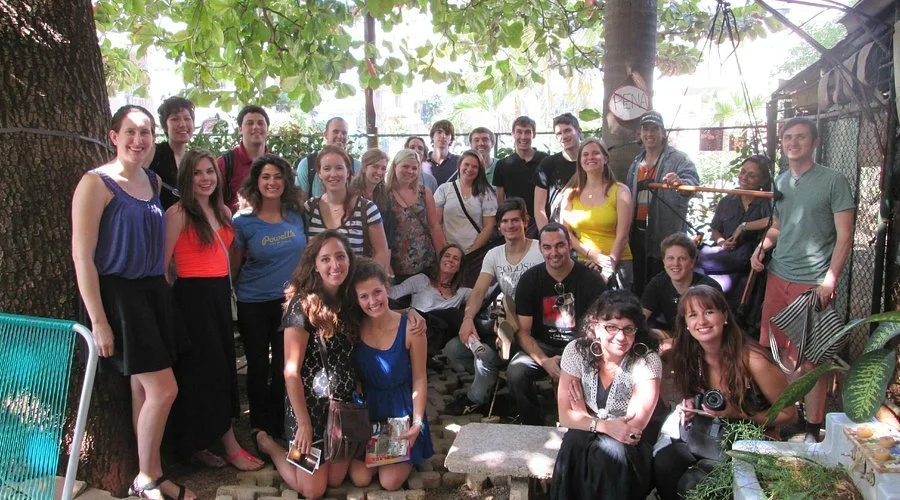
Members of Cuba Libro, a bookstore/cafe and donations hub
Many Americans ask us: "What do the Cubans want?" Our honest answer is that Cuba, like any country, is a nation of 10 million complex individuals with diverse views, histories, and hopes. Asking a Cuban their position on all of this is like asking an American their view of Donald Trump, Zohran Mamdani, or the Middle East. You will get a different answer every time.
But here is what we are hearing right now:
From a local guide and longtime colleague:
"Hi, my friends. I'm doing well and appreciate so much your concern. These are tough times. The situation here is not getting better; we are suffering longer blackouts, for up to 10–14 hours a day, and dealing with almost no public transportation, which affects workers, students, not to mention tourism and planes. We are definitely living in very unusual times; families don't always have access to running water and affordable food, and the most vulnerable struggle even more. Despite all that, Cubans always try to keep a positive mind and resourceful spirit. We know we have the support of many friends around the world, and hopefully it will be a temporary situation."
A director of two children's choirs and a music school teacher in Havana shared this message:
"Yo tengo una tristeza oculta en mi alma. ¿Por qué nos quieren someter?? ¿Por qué tengo que pasar mis años de vejez en esta zozobra constante??? ¿Por qué no se revienta de una vez la zanahoria maldita?? Sé que no puedo darme el lujo de derrumbarme porque soy el apoyo emocional de muchos pero cuesta tanto!!"
"I carry a hidden sadness in my soul. Why do they want to subjugate us? Why must I spend my old age in this constant anguish? Why doesn't the damn old carrot (Trump) just burst already? I know I can't let myself fall apart because I am the emotional support for so many people — but it is so difficult."
Our Perspective — After Decades of Working Closely with the Cuban People
We want to be honest with you about where we stand.
Cuba's government has made serious mistakes, and for many Cubans — especially younger generations — the system has become another obstacle. The Cuban people deserve better governance than they have received.
But here is what we also know: you cannot blame Cuba for having a failed economy when making the Cuban economy fail has been the stated objective of U.S. policy for sixty years.
The brief easing of sanctions under Obama's normalization produced an immediate and extraordinary economic boom — faster change in two years than in the previous forty. Small businesses opened. Artists flourished. Families reunited. The contrast was undeniable.
What Cuba needs is not to be starved into submission or "taken." It needs what every country needs: access to capital, the freedom to trade, the economic oxygen to let its people build. When people have those tools, they thrive — and in thriving, they have more leverage over the system they live in. The path to meaningful reform in Cuba runs through empowerment, not deprivation.
Change needs to come for Cuba. But good change, not bad change. And most importantly — when it comes, the Cubans who still live there need to be at the heart of the decision-making. Not Washington. Not Miami. Not Díaz-Canel. The Cuban people.
How You Can Help
At Project Por Amor, our mission has always been to build meaningful connections between people in the U.S. and Cuba. You have been a big part of that story. In this urgent moment, here are a few ways you can make a difference:
Support the Let Cuba Live! Solar Campaign
The most direct and lasting thing you can do, in our opinion, is help Cuba leapfrog oil dependency entirely. The Let Cuba Live! campaign is raising money for solar generators and panels to install in Cuban hospitals right now. This is not charity — it is investment in Cuba's permanent energy sovereignty. Every panel installed is one less point of vulnerability. Donations are tax-deductible at https://www.letcubalive.info/donateCall Your Member of Congress
Ask them to stand up for a humane and effective Cuba policy — one that prioritizes the Cuban people over political theater. A bipartisan group of senators has already introduced a War Powers Resolution to prevent further escalation. Your voice matters. Find your representative at house.gov or senate.gov.Stay Informed and Share What You Know
The Cuban people's story should not be buried under other global conflicts. Share this post. Talk to your friends. The more Americans understand what is actually happening, the better the chance of a more humane and productive path forward.
With deep love for Cuba and gratitude for your solidarity,
Sage, Nadine, Ingrid & Adolfo
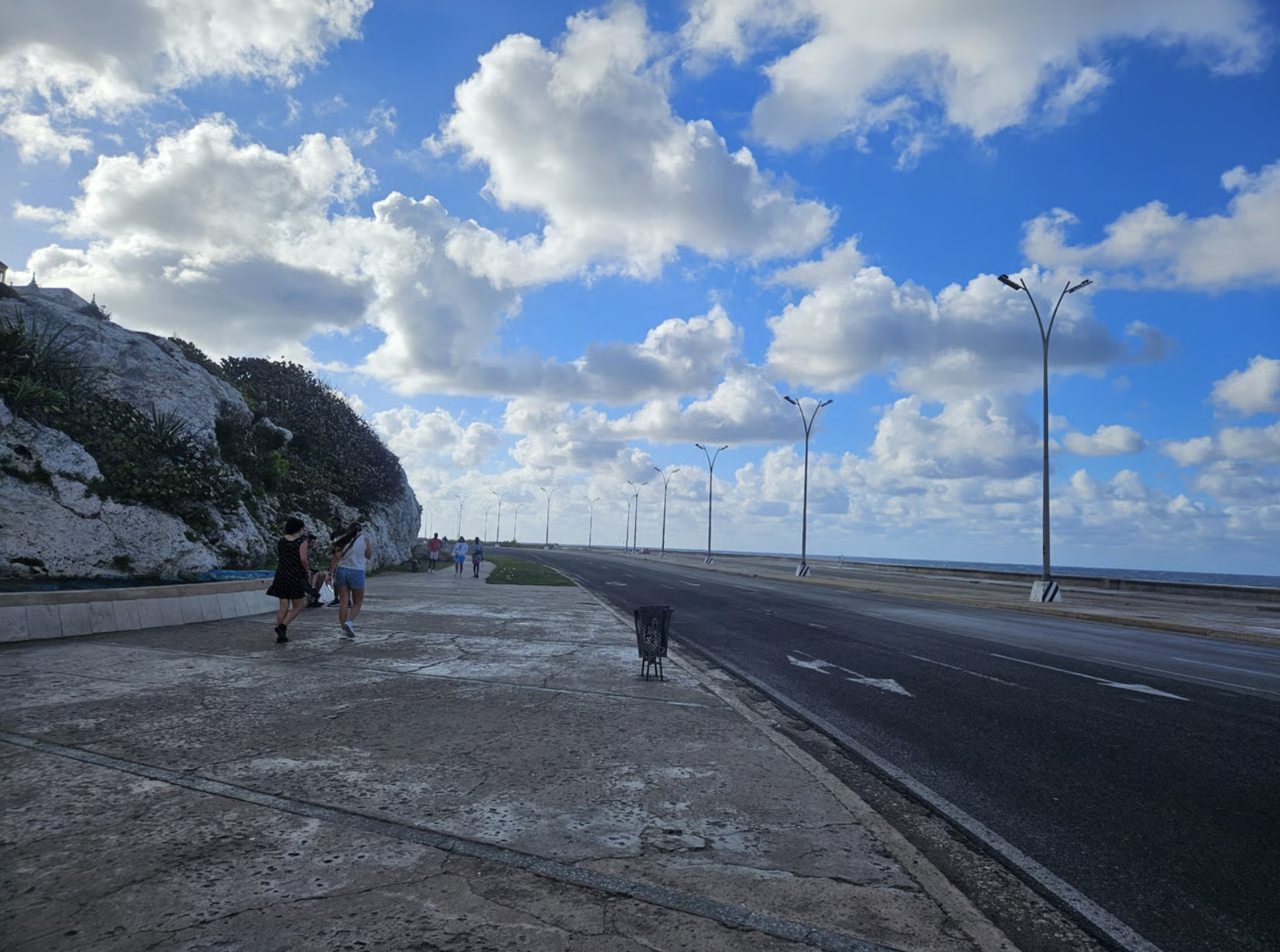
The busy Malecón with no cars and few people. Taken March 20, 2026